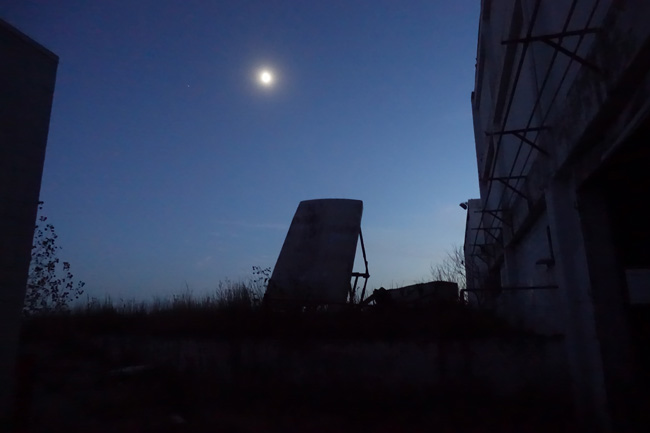
Last week I wrote about a neat old abandoned grain elevator in rural Nebraska. This week I'd like to share an incredibly interesting, but far more macabre site: an abandoned slaughterhouse and meat packing plant.
Most people would rather not think about what happens to meat before it reaches the dinner table. Commercials show us peaceful images of cows grazing in sunny pastures, and then transition to backyard family barbecues with hamburger patties sizzling on the grill. Between the two images exists a hazy truth that most people dare not examine, lest we lose our appetites.

I'd been inside a slaughterhouse once as a child. It was a small operation where a relative worked. Thankfully no animals were being processed at the time. I remember very little from the experience, but the one thing that stands out is the awful smell that permeated the air.
While in Nebraska, I was fortunate to have a look inside one of these eerie facilities long after it ceased operating. It had been vacant for decades and the stench of death had long since dissipated, giving way to the comparatively benign dusty odor that is typical of abandoned places.
A massive barn served as a holding area for the cattle during their final hours of life.
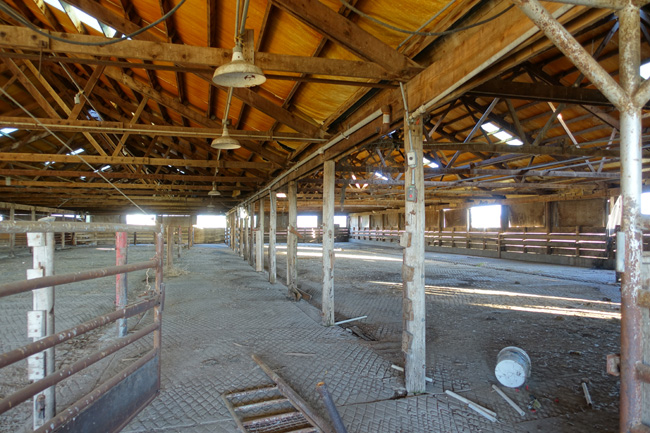
From there, the cows were led through a narrow corral to the killing area.


Blood drained out through a large grate in the floor.
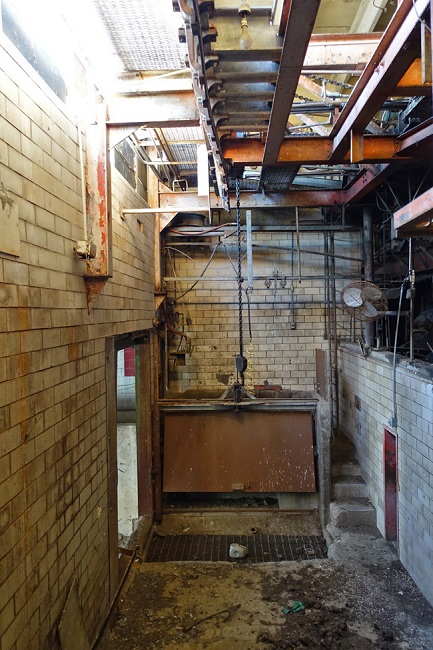
From the killing area, a track ran along the ceiling, where the carcasses were suspended by meat hooks and moved along in a disassembly line through a network of stations.

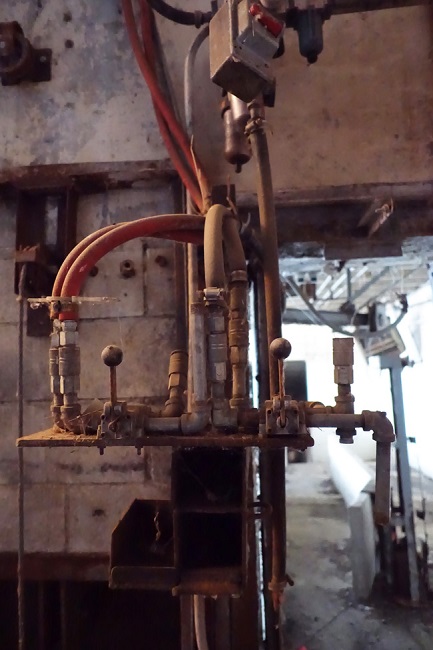
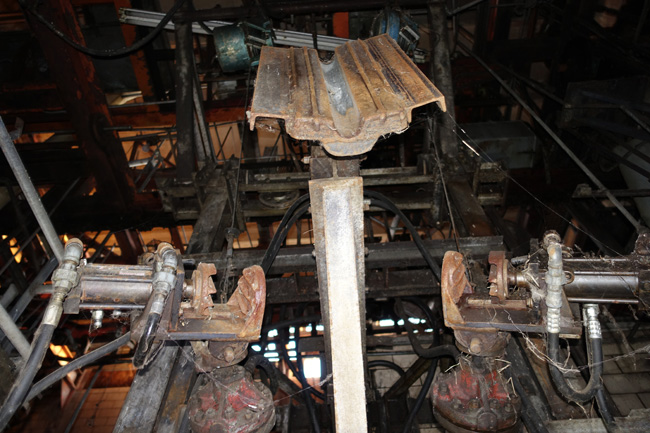
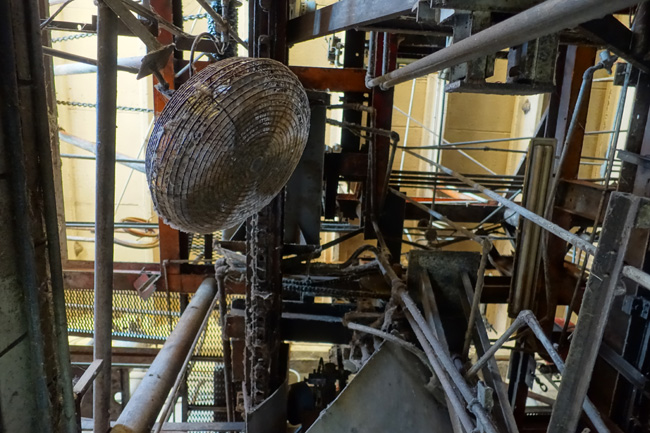
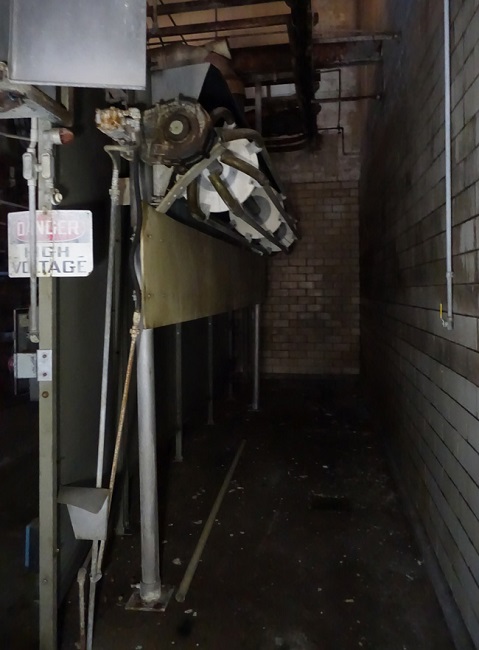
A tremendous amount of equipment remains on the main floor of the facility. Time has coated much of it in a patina of rust and cobwebs.

Dozens of sinks are scattered throughout the facility, operated by foot pedals instead of faucet handles.

The plant appeared to have been cleaned prior to abandonment and the only remnants of slaughtered cows were a few sets of hoof bones on the killing floor.

Heavy doors and dark stairways led deep into the bowels of the old building.


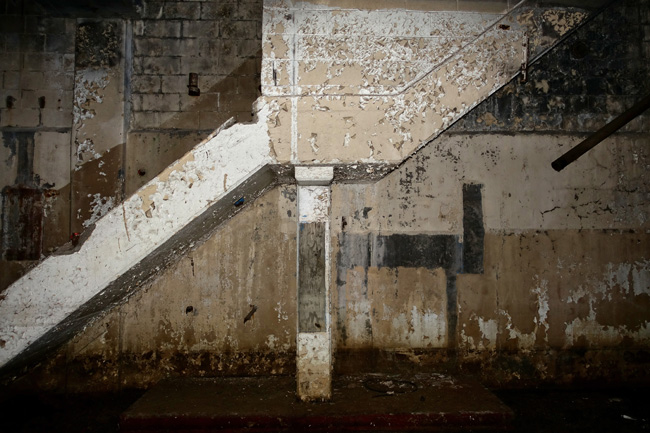
The basement contained heavy equipment.
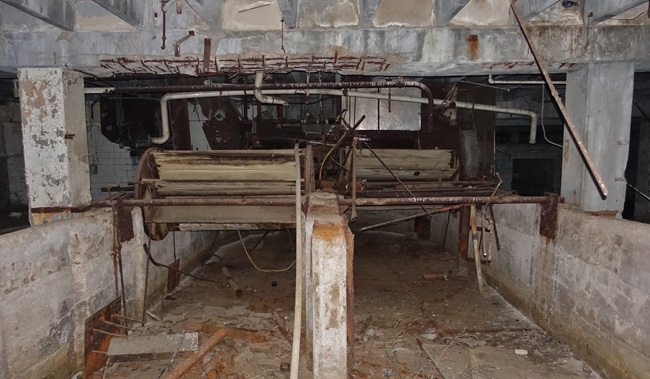

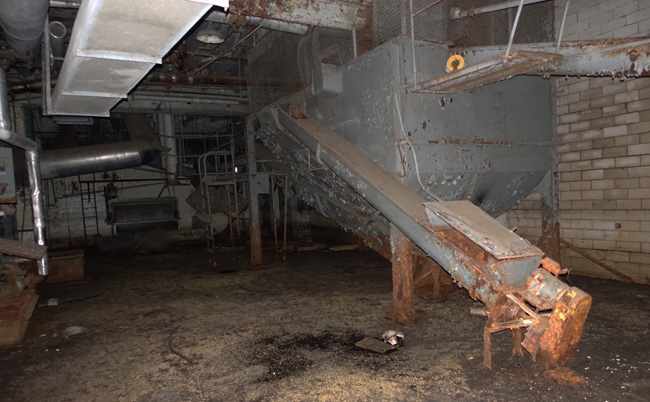
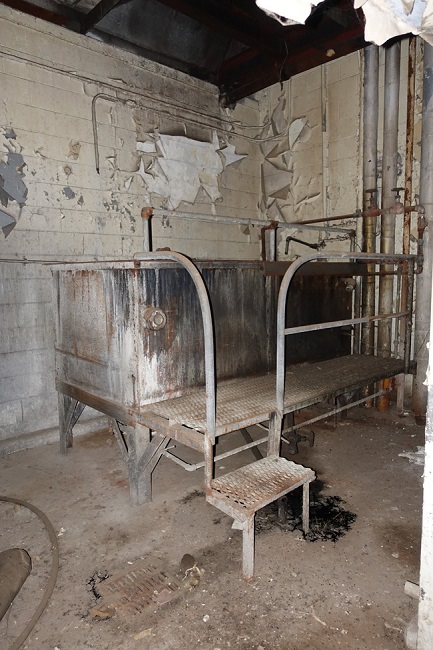
In some areas the floor was covered in standing water.
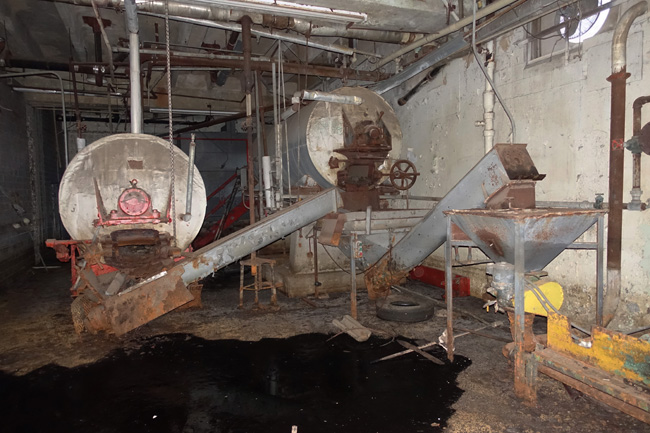

Flooding seems to be a regular problem. The basement of the administration building also showed signs of water damage.
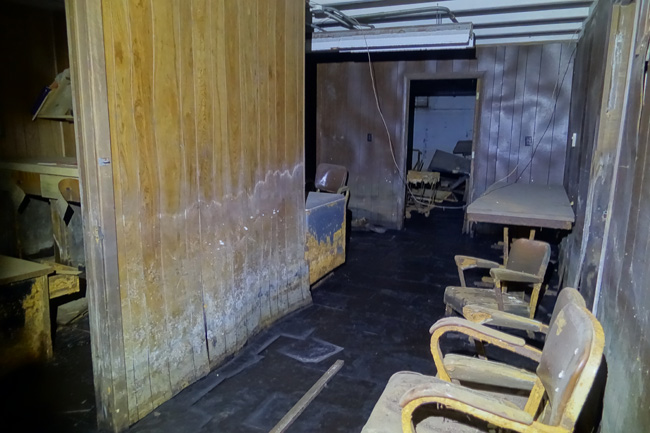
Paw prints of raccoons or opossums were scattered throughout the dark basement.


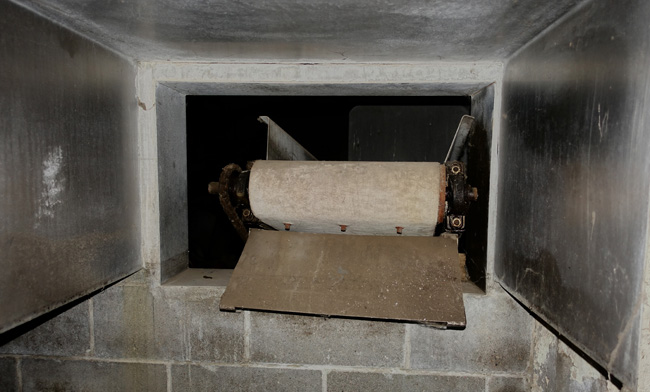
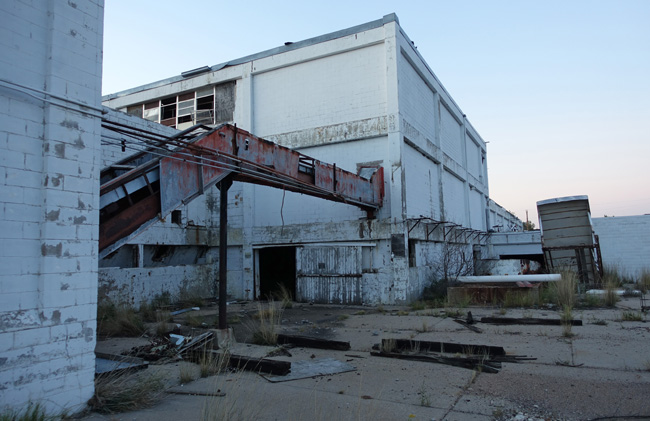
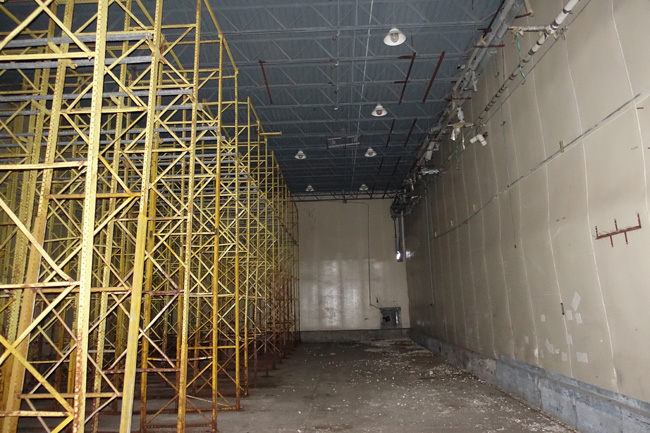
A conveyor belt ran from the meat processing section of the facility to a massive warehouse-like structure that I assume was used for refrigerated storage.
Much of the furniture has been removed from the administration building.

But curtains still hang in the windows. Whiteboards and other documents remain tacked to the walls.
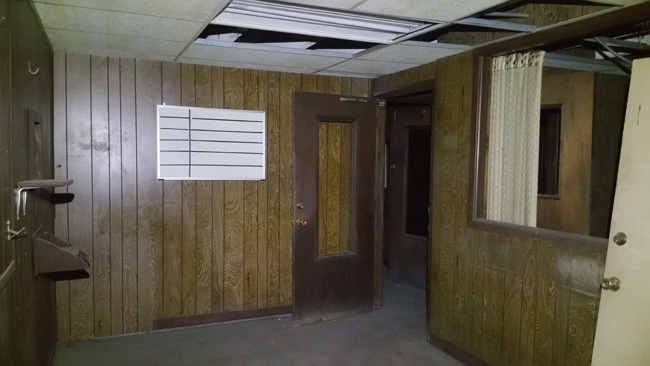

I can only imagine how stressful it must have been to work there, especially for those employees who oversaw the slaughter of the animals. But there was plenty of stress for other workers as well.
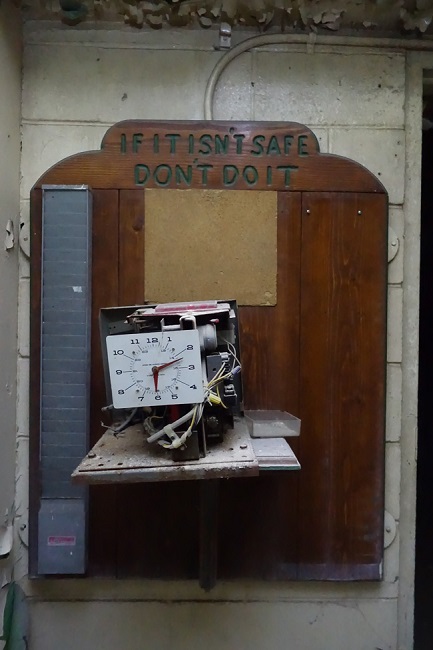
A memo still hangs on the wall, instructing employees how to proceed in case of a variety of dangers, including bomb threats.

Among the other memos were instructions for how to care for skin rashes and stitches.


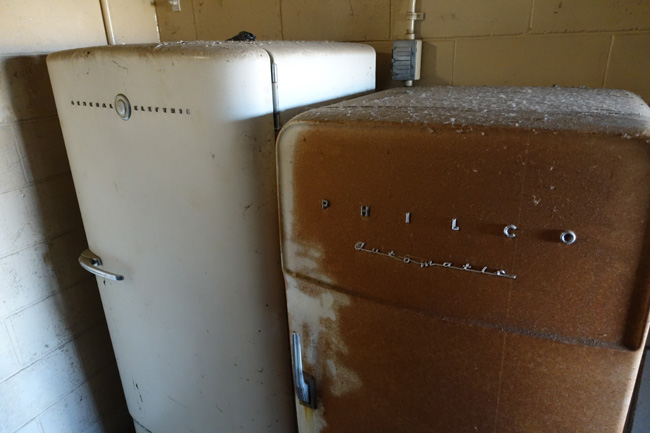
In one cramped room sits a clunky old computer and a series of safety training tapes.

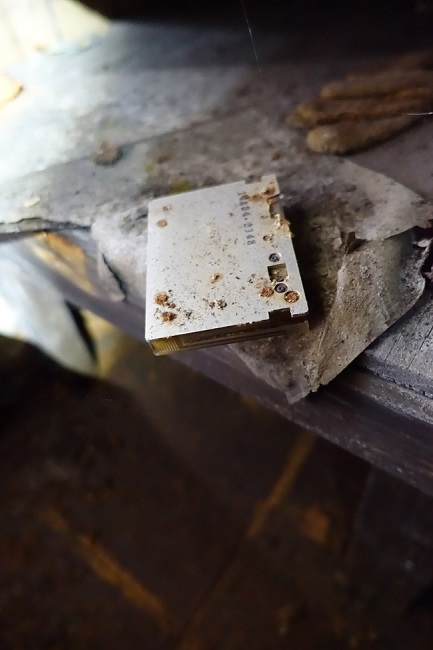
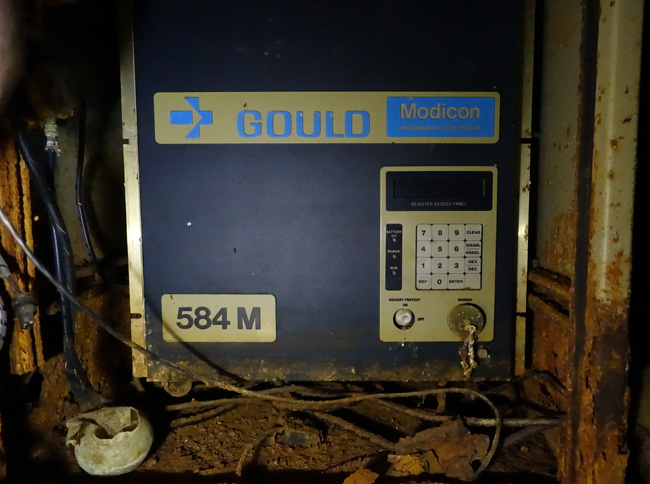
This was definitely one of the more interesting abandoned places I've explored, and also one of the most eerie. When the sky grew dark, I got back on the road and continued eastward into Omaha. Come back next week and I'll tell you about an abandoned industrial tower I explored there.
Thanks for checking out this article. If you enjoyed it, please feel free to share it on Facebook. While you're at it, please subscribe to Places That Were and follow me on my social media sites:
Facebook: http://www.facebook.com/placesthatwere
Google+: https://plus.google.com/u/0/+JimSullivanPlacesThatWere/posts
EyeEm: https://www.eyeem.com/u/placesthatwere
Instagram: http://instagram.com/theplacesthatwere
Twitter: https://twitter.com/placesthatwere/
Tumblr: http://placesthatwere.tumblr.com/
Youtube: https://www.youtube.com/jimplicit
500px: https://500px.com/placesthatwere
Thank you!