Showing posts with label manufacturing belt. Show all posts

Into the Rust Belt: The Legendary Ruins of Joliet Iron Works

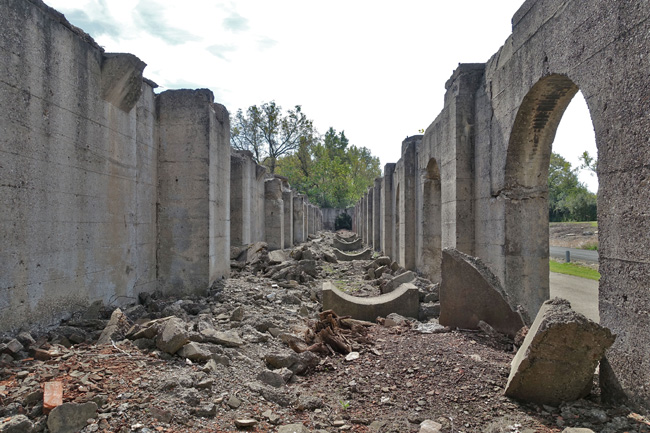
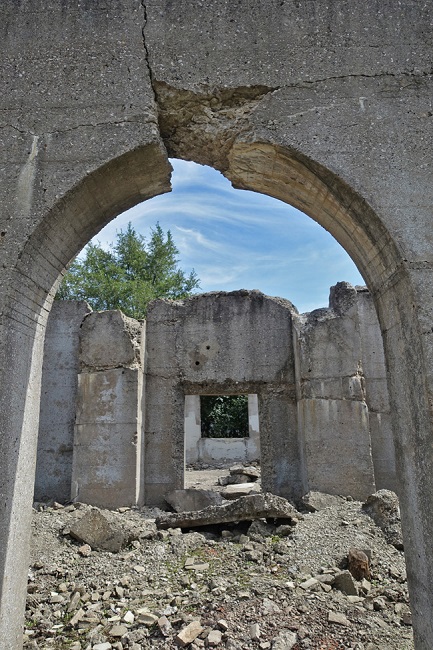
Joliet Iron and Steel Works, once the second largest steel mill in the United States, is now a vast network of crumbling ruins.When I finished admiring the towering industrial ruins of Lehigh Portland Cement Company in Oglesby, Illinois, I continued toward Joliet, the westernmost city of the Rust Belt.

Joliet Iron Works Ruins and Historic Site

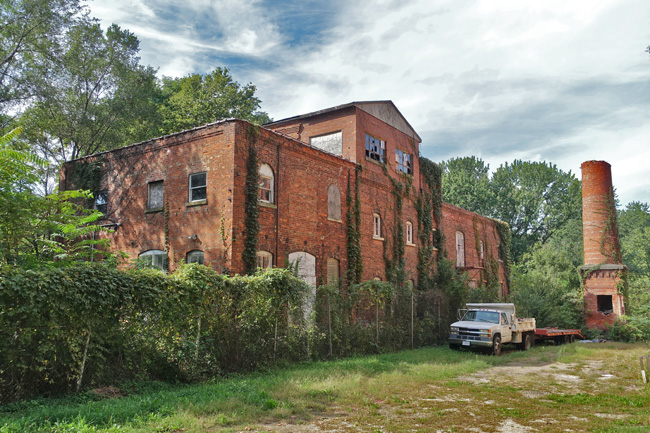
Along the way, I took a quick detour in the city of Morris to check out a complex of beautiful old brick buildings that once housed Gebhard Brewery.
Joliet Iron Works Ruins and Historic Site

Louis Gebhard, a German immigrant, founded Gebhard Brewery in 1866. His son William eventually took over and greatly expanded the business. Before long, their brew was known and loved throughout the state. He added a bottling plant in 1888, the seven-story brew house in 1896, and a stock house in 1904. William's son Fred joined the business in 1912, carrying his grandfather's legacy into a third generation of Gebhards.

The business was forced to close in January of 1920 when prohibition went into effect. The brew house was later converted into a flour mill. Morris Milling Company operated there from 1935 to 1958.

Joliet Iron Works Ruins and Historic Site

In 1946 the bottling plant building became the home of Lindsay Light and Mantel Company, which produced mantels for lamps and lanterns. The business thrived for nearly half a century before finally closing in the early 1990s.

The beautiful old brick buildings now sit vacant. I hoped to take a peek inside, but was disappointed to find them fenced off with a No Trespassing sign. I snapped a few photos of the exterior and got back on the road.

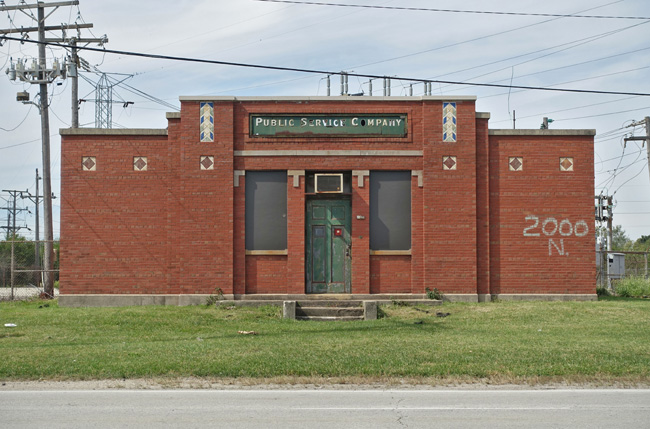
On my way through Plainfield, Illinois, I stopped to photograph a neat old Public Service Company building.
Joliet Iron Works Ruins and Historic Site

I rolled into Joliet, Illinois on Day 9 of the Epic Rust Belt Road Trip. I had finally reached America's infamous Rust Belt.

Since leaving Los Angeles, I had driven through the American West, the Rocky Mountains, and the Great Plains, spending a day or two in each state and exploring dozens of abandoned places along the way. I could hardly wait to catch my first glimpse of the mighty industrial ruins of the former Manufacturing Belt.

Joliet Iron Works Ruins and Historic Site

Joliet Iron Works Ruins and Historic Site

Joliet Steel and Iron Works, once the second largest steel mill in the US, was a paragon of American industry. The rails produced there were instrumental in the expansion of the nation's railroad infrastructure. It was strange to realize that the tiny railroad towns I had passed through on my way across the Heartland owed their existence to this steel mill.
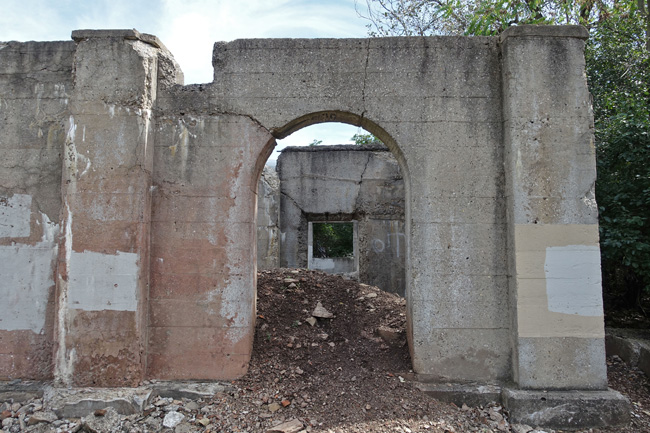
Joliet Iron Works Ruins and Historic Site

Joliet Iron Works opened in 1869, only a few years after the end of the Civil War. Over time, ownership of the mill passed between various steel conglomerates including Illinois Steel Company, Federal Steel, and U.S. Steel.

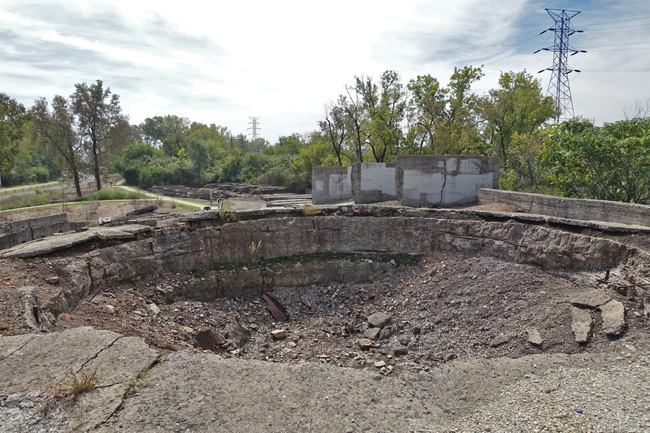
Joliet Iron Works Ruins and Historic Site

Joliet Iron Works Ruins and Historic Site

Joliet Iron Works Ruins and Historic Site

In its early years, the iron works employed many immigrants from Southern and Eastern Europe. The job was tough and workers had to endure hazards such as extreme heat, toxic fumes, and dangerous falls. Injuries and deaths were not uncommon.
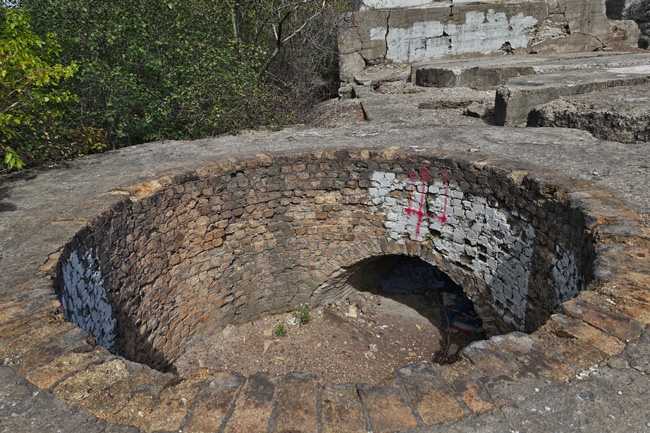
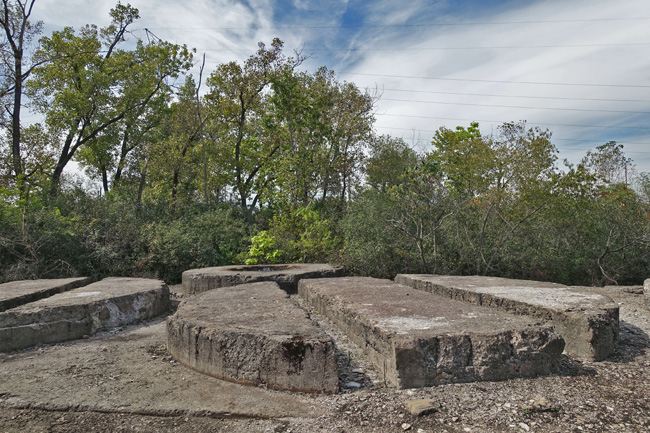
Joliet Iron Works Ruins and Historic Site

Joliet Iron Works Ruins and Historic Site

The iron works closed in 1936 due to decreased profitability, but the steel works continued to operate throughout most of the 20th century. New structures were added over the ensuing decades, including the Nail Department, the Fence and Barbed Wire Department, the Annealing and Galvanizing Department, and a massive warehouse.

Joliet Iron Works Ruins and Historic Site

Various portions of the plant closed throughout the 1970s and operations ceased entirely in the early 1980s.
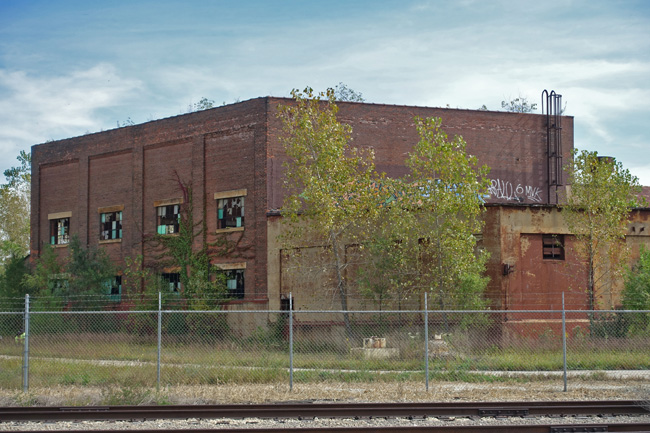
Joliet Iron Works Ruins and Historic Site

In the 1990s, the Forest Preserve District of Will County created the Joliet Iron Works Historic Site. A mile-long walking path leads through the ruins of the iron works, marked with signs that explain the significance of the various portions of the mill and the functions of the equipment that once stood there.

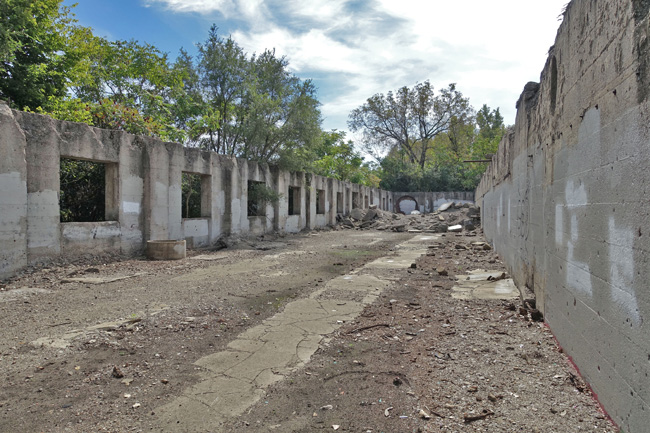
Joliet Iron Works Ruins and Historic Site

Joliet Iron Works Ruins and Historic Site

Joliet Iron Works Ruins and Historic Site

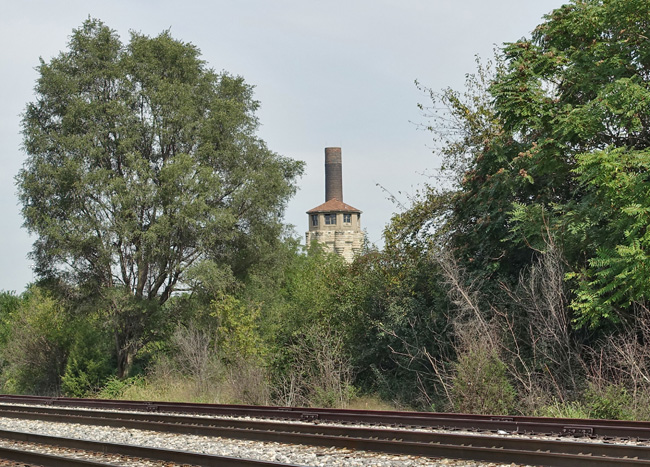
Across the railroad tracks from the Joliet Iron Works Historic Site, the structures of the steel works remain abandoned and rusting. Unfortunately they are off-limits to the public.

Joliet Iron Works Ruins and Historic Site

Farther down the tracks the solemn guard towers of Joliet Correctional Center peek up over the tree line. The abandoned prison was my next stop. I was completely unprepared for how awesome it was. Click here to check out the article.

Be sure check out my social media for more photos from Joliet Iron and Steel Works.

If you enjoyed this article, please share it on Facebook. While you're at it, please subscribe to Places That Were.

Facebook: http://www.facebook.com/placesthatwere

Google+: https://plus.google.com/u/0/+JimSullivanPlacesThatWere/posts

EyeEm: https://www.eyeem.com/u/placesthatwere

Instagram: http://instagram.com/theplacesthatwere

Twitter: https://twitter.com/placesthatwere/

Tumblr: http://placesthatwere.tumblr.com/

Youtube: https://www.youtube.com/jimplicit

500px: https://500px.com/placesthatwere

Thank you!
Joliet Iron Works Ruins and Historic Site

Out of the Frying Pan and Into the Rust Belt

Just shy of a year ago, I created Places That Were so that I could share pictures and stories of the many abandoned places I've explored. One of my first posts announced my Epic Exploration Road Trip of early 2015, in which I traveled through the Western United States, exploring abandoned places along the way.


I'm thrilled that so many people came to this site to join me as I recounted my journey. Thank you all so much!


Every post since then has focused on one or more of the incredible abandoned places I explored on that first road trip. The only exceptions are a few articles about sites closer to home:
-Fatalities and Films of a Ghostly Movie Ranch in Acton, CA
-The Mystery of Canned Heat House
-Abandoned Water Park in the Mojave Desert - Lake Dolores aka Rock-A-Hoola


Those of you who follow my social media feeds probably know that I took a month-long road trip last fall, my Epic Rust Belt Road Trip of 2015 (#RustBeltRoadTrip2015). I drove from Los Angeles to the Rust Belt (formerly known as the Manufacturing Belt), to explore the abandoned ruins of the former industrial powerhouses that once epitomized American ingenuity and prosperity.

It was mind-blowing to see how cities such as Detroit, Cleveland, Gary, Youngstown, and Akron, which flourished in the early and mid-1900s, have plunged into severe economic ruin. Urban centers that once embodied the American Dream now resemble war-torn cities of the Third World.


It must have been heartbreaking to watch helplessly as automakers and other industrial giants turned their back on American workers and moved their manufacturing overseas to take advantage of cheap wage standards and nonexistent labor protection laws.


I had recently been laid off from the job I loved, so exploring the Rust Belt was a deeply symbolic experience for me. Years of hard work, professional accomplishments, and personal sacrifice become suddenly irrelevant when a company makes cost-cutting its highest priority.


I have a great deal of empathy for the Rust Belt's Places That Were. In a society that often defines people by what they do for a living, I felt like a Person That Was.


Compelled to pay respect to the Rust Belt's historical places, I was on a mission to document what has become of them, and hopefully gain some insight into what we can do to make things better.


Being away from my better half for an entire month was not easy, but I had no choice. This was my last great opportunity to do what I love most. I knew that when I returned home, I would need to resume my career, which means I'll never again have time for a cross-country road trip until I retire.


After weeks of intense research and planning, I hit the road and began what would be the greatest adventure of my life so far. 

Below is a rough map of my route:


I would drive from Los Angeles to Cleveland, spending a day or two in each state along the way to check out ghost towns, factories, hospitals, military installations and other deserted sites. After several days exploring the incredible abandoned places in Cleveland, I'd head to Detroit for a week. There are so many awesome urban ruins in Detroit, it would take months to explore them all. I'd have to be satisfied with the several dozen explorations I could squeeze into my week-long visit. 


From Detroit, I'd head westward along a northern route, gradually making my way back to California. My final destination was an art gallery opening in Oakland, where one of my photos from the earlier road trip would be on display. It was the first and only time any of my work has been featured in a gallery, and it made for the perfect end to an incredible journey. 


I spent most of the month driving, exploring, or resting and was not able to post many updates online, but here is a video I posted from the road: http://www.placesthatwere.com/2015/09/rust-belt-road-trip-2015.html and another I made after I returned home: http://www.placesthatwere.com/2015/10/rust-belt-road-trip-update.html


I hope you all will come back and visit Places That Were over the coming months as I share stories from my Epic Rust Belt Road Trip.


Thanks again for joining me. Please feel free to share this article on Facebook. While you're at it, please subscribe to Places That Were and follow me on my social media sites:

Facebook: http://www.facebook.com/placesthatwere

Google+: https://plus.google.com/u/0/+JimSullivanPlacesThatWere/posts

EyeEm: https://www.eyeem.com/u/placesthatwere

flickr: https://www.flickr.com/photos/placesthatwere/

Twitter: https://twitter.com/placesthatwere/

Youtube: https://www.youtube.com/jimplicit

Instagram: http://instagram.com/theplacesthatwere

Tumblr: http://placesthatwere.tumblr.com/

Thank you!