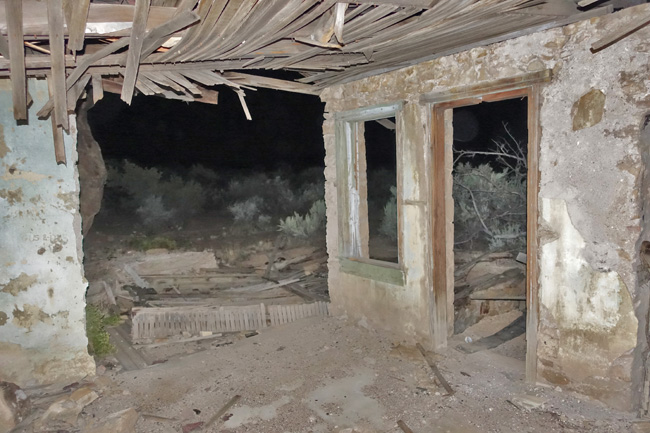
Gilman, Colorado: A Toxic Ghost Town

The ghost town of Gilman, Colorado sits atop Battle Mountain overlooking Eagle Gulch. For nearly a century, mining operations poured so many toxic pollutants into the ecosystem that the EPA has declared the area off-limits.

Gilman Colorado Ghost Town and EPA Superfund Site

After an incredible day of exploring the dying town of Thompson Springs, Utah, an abandoned missile launch facility, and several other Utah ghost towns, I crossed into Colorado. I got a good night's rest and then set out to explore the mining ghost town of Gilman.

[Disclaimer: After posting this article, I have been informed that Gilman and Belden are on private property and should not be entered without express permission from the owner.]

It was apparent that I wouldn't have time to see everything Gilman had to offer before sundown, so I'd need to spend the night. I drove around for a while, looking for a place to park. It didn’t seem wise to leave my car on the side of the highway overnight, so I decided to park in Minturn, a town a few miles west of Gilman, and hike the rest of the way. I packed some snacks, plenty of water, and a lightweight sleeping bag.

Gilman Colorado Ghost Town and EPA Superfund Site

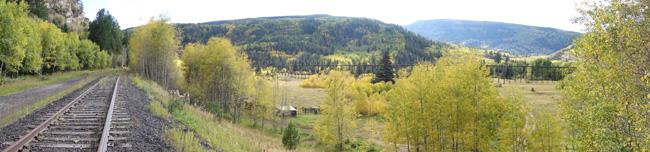
I walked along the old unused railroad track that once hauled ore from the Eagle and Belden mines. Weeds pushed up through the gravel between the railroad ties and boulders had tumbled onto the rusting tracks.

Gilman Colorado Ghost Town and EPA Superfund Site

 Along the way, I passed a grim sight: the severed leg of a cow, and later, its rib cage, spine and skull, all picked clean (I've omitted the pictures from this article, but if you're interested, the macabre images can be viewed here).

It was a good 5-mile hike, but after spending the entire morning behind the wheel, it felt good to stretch my legs. As an added bonus, autumn was in full swing and golden foliage accented the landscape.

In the distance a pipeline ran parallel with the railway, carried by a tall wooden trestle.
Gilman Colorado Ghost Town and EPA Superfund Site

As I crossed the railroad bridge over the Eagle River, I saw that the pipeline was broken, a large section of it lying on the riverbed. I thought little of it at the time. Then I read an EPA report written about Gilman in 2013.

According to the report, the pipeline delivers contaminated water from collection points near Eagle Mine to a water treatment plant. The EPA report mentions "Visible leaks in the mine water conveyance system in the wooden trestle as indicated by orange-colored icicles and staining on rocks and grass where leaks occur."

A bypass line was built in 2010 when the trestle line froze, but it didn't prevent further leaks from occurring. The EPA report states that an "incident occurred in November 2012, when approximately 400,000 gallons of raw water were released to the area due to a rupture in the conveyance system."

Needless to say, I wouldn't recommend drinking from Eagle River.

Gilman Colorado Ghost Town and EPA Superfund Site

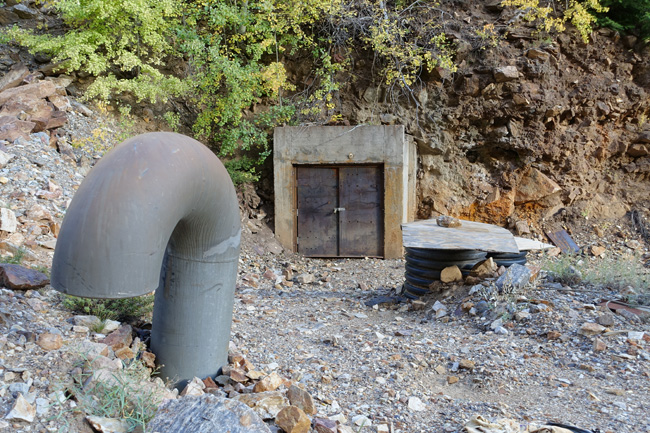
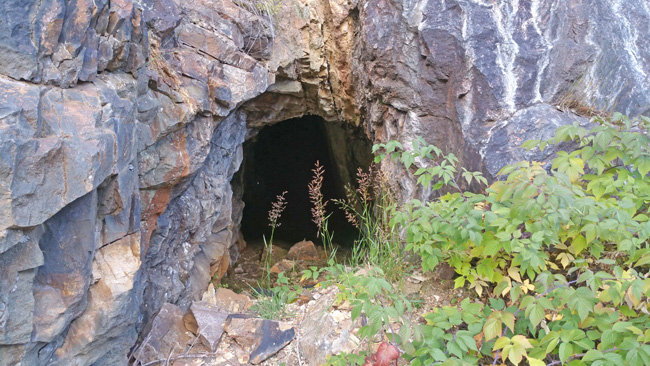
A short while later, I reached the base of Battle Mountain, and found the entrances to several mines, which were sealed off. Given the toxicity of the area and danger of old mines, I had no intention of exploring them anyway.

There are a number of mines in the area, including Ida May, Little Duke, Ground Hog, Iron Mask, May Queen, Kingfisher, Little Chief, Crown Point, and Little Ollie. But the most famous are Belden Mine and Eagle mine, which were established in 1879.

According to the EPA, the network of mines includes "an estimated 70 miles of underground mine tunnels", from which an astonishing 8 million tons of mine waste was excavated and deposited into the ecosystem.

Gilman Colorado Ghost Town and EPA Superfund Site

Gilman Colorado Ghost Town and EPA Superfund Site

Eagle Mine was one of the largest zinc mines in the United States and produced over 12 million tons of ore over the years. Zinc from Eagle mine was especially important for the war effort during WWII. Massive amounts of gold, silver, copper, and lead were also excavated.

The New Jersey Zinc Company began buying up property in 1912, eventually purchasing the entire town of Gilman and all of the mines.

Gilman Colorado Ghost Town and EPA Superfund Site

Most of the mining operations ceased in December of 1977, except for limited copper and silver production. In 1984, it closed for good. The pumps were deactivated and the mine was allowed to flood.

Shortly thereafter, the EPA declared the area a Superfund site due to the massive amounts of pollutants that had been released into the ecosystem and placed it on National Priorities List. CBS Operations, Inc. (yep, the same CBS that owns the television network) was deemed responsible for the cleanup of the site. It seems odd, but it makes sense. Apparently CBS bought Viacom International, Inc., which owned controlling shares of New Jersey Zinc Company, which operated the mine.
Gilman Colorado Ghost Town and EPA Superfund Site

Gilman is 1000 feet above the mine entrances and would have been a very steep climb. Fortunately I was able to hike up the Rock Creek, which was mostly dry, except for a few trickles of water. The stones along the riverbed were encrusted in white mineral deposits.

Gilman Colorado Ghost Town and EPA Superfund Site

The water that flowed through it was tinted blue-green in some places and orange in others.

Gilman Colorado Ghost Town and EPA Superfund Site

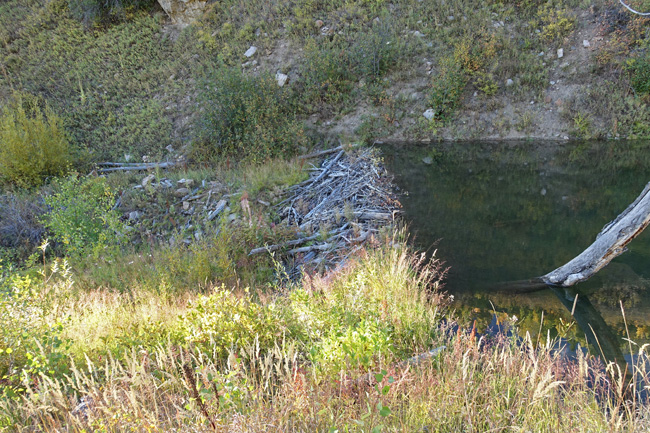
At an elevation of about 9000 feet above sea level, I had to stop to catch my breath a few times on the way up. Near the top, I found that the creek was kept at bay by a beaver dam.
Gilman Colorado Ghost Town and EPA Superfund Site

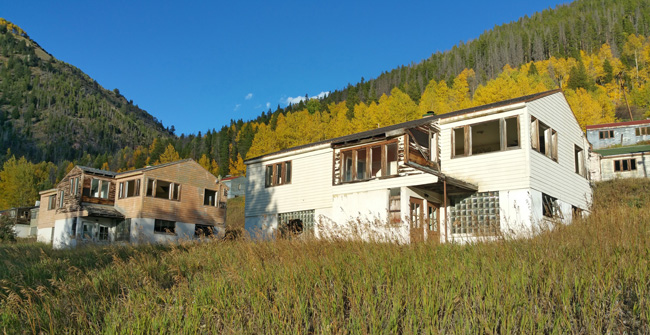
I reached Gilman tired and out of breath, but was immediately invigorated by the sight of several rows of abandoned homes.

I was supposed to meet a friend there who also loves exploring abandoned places (check out her Instagram here: https://www.instagram.com/caroleyene/), but we didn't end up meeting. Just before I arrived, she saw a woman giving a tour of the place and quickly got out of there.
Gilman Colorado Ghost Town and EPA Superfund Site

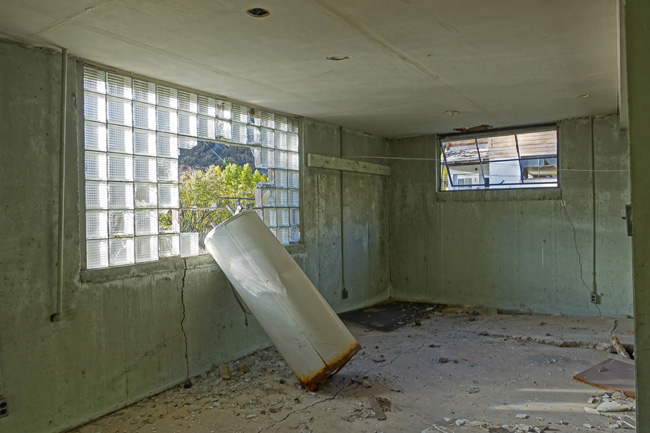
I ducked into the basement of the nearest house and had a look around.
Gilman Colorado Ghost Town and EPA Superfund Site

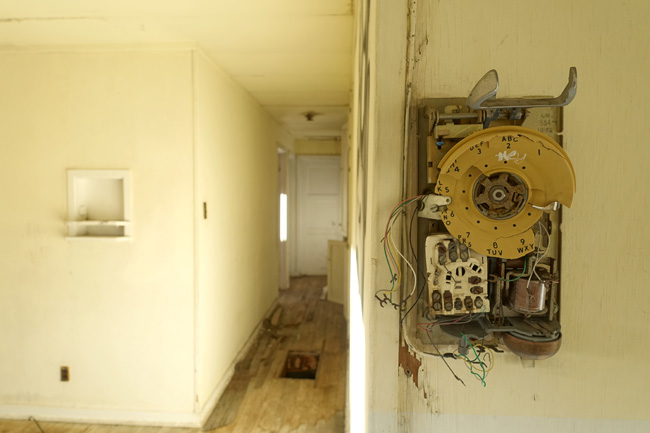
The houses were mostly empty and many were badly weathered. It didn't help that most of the windows had been smashed.

Gilman Colorado Ghost Town and EPA Superfund Site

Gilman Colorado Ghost Town and EPA Superfund Site

Gilman Colorado Ghost Town and EPA Superfund Site

A few odds and ends were still lying around in a few of the homes, including an iron that looked very much like one my grandma used to have.

Gilman Colorado Ghost Town and EPA Superfund Site

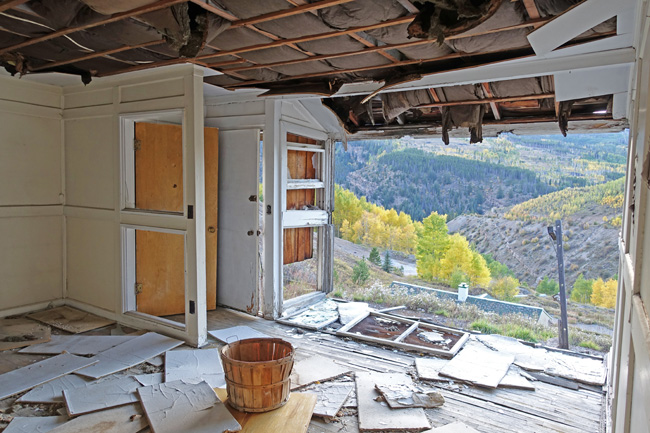
Most of the homes had excellent views.
Gilman Colorado Ghost Town and EPA Superfund Site

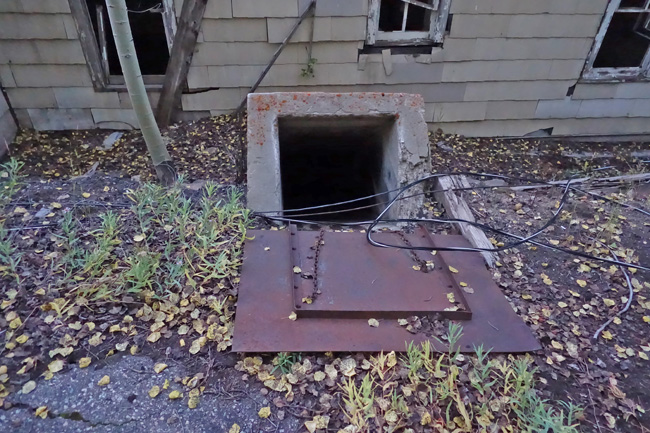
The homes had coal chutes and were heated by furnaces.
Gilman Colorado Ghost Town and EPA Superfund Site

I found it ironic that this furnace bore the name "Solar National."

Gilman Colorado Ghost Town and EPA Superfund Site

Gilman was founded in 1886 by prospector John Clinton and was originally named after him. The name was later changed to Gilman in honor of Henry Gilman, a well-liked superintendent of the Iron Mask Mine. In 1899 the town was decimated by fire, in which half of the structures were destroyed.

Gilman Colorado Ghost Town and EPA Superfund Site

I strolled through the quiet neighborhood in a state of awe. It looked like it was once a beautiful little community.

Gilman Colorado Ghost Town and EPA Superfund Site

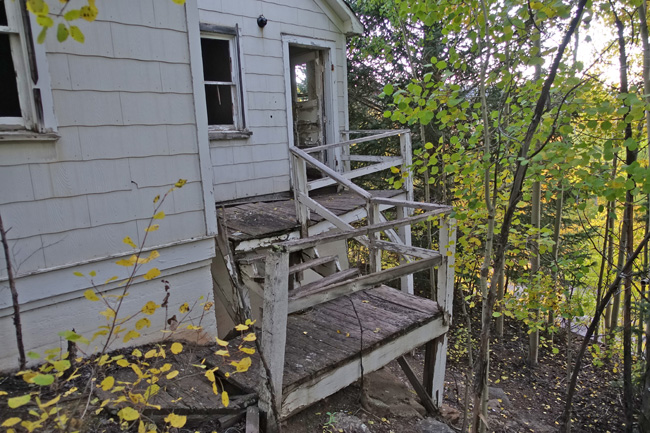
Now the porches are sagging and decrepit.
Gilman Colorado Ghost Town and EPA Superfund Site

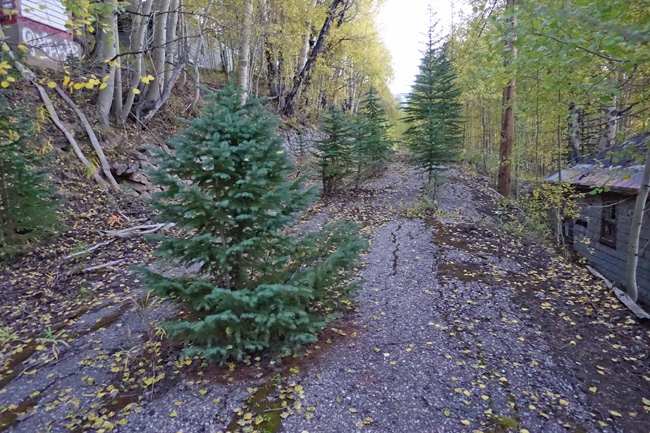
Pine trees grow up through cracks in the asphalt. Nature always finds a way.
Gilman Colorado Ghost Town and EPA Superfund Site

It is strange to think that children once lived here and school buses passed through the crumbling roads.

Gilman Colorado Ghost Town and EPA Superfund Site

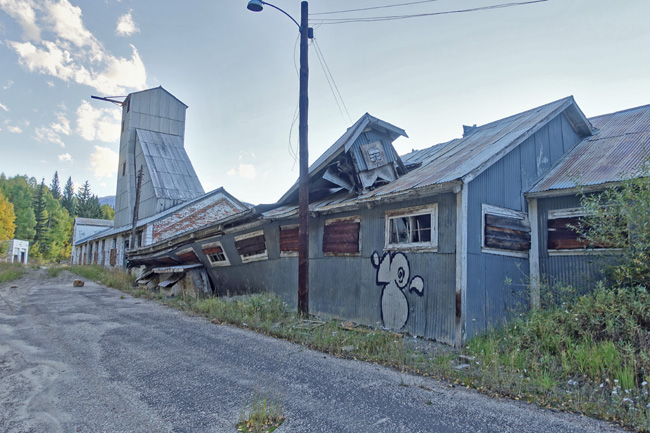
The most prominent feature of the town is the ore processing facility

Gilman Colorado Ghost Town and EPA Superfund Site

Gilman Colorado Ghost Town and EPA Superfund Site

A large section of the building is in the midst of collapsing in on itself.
Gilman Colorado Ghost Town and EPA Superfund Site

There are also quite a few little structures that house emergency fire fighting equipment. Vandals have opened them all up and pulled out the hoses.

Gilman Colorado Ghost Town and EPA Superfund Site

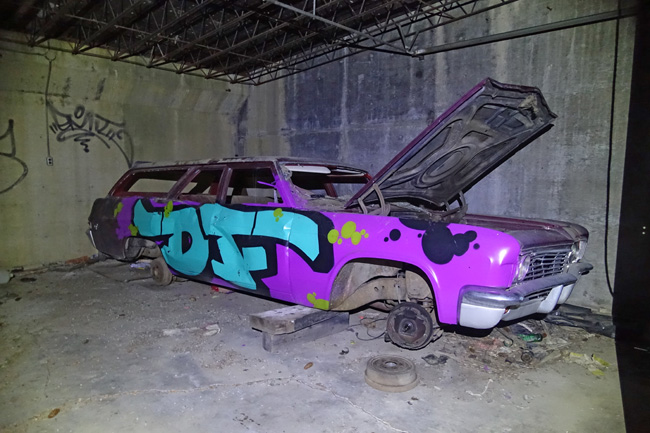
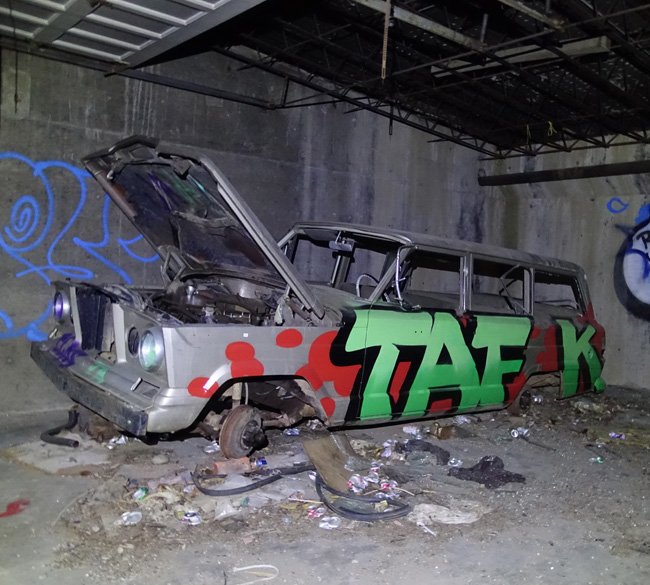
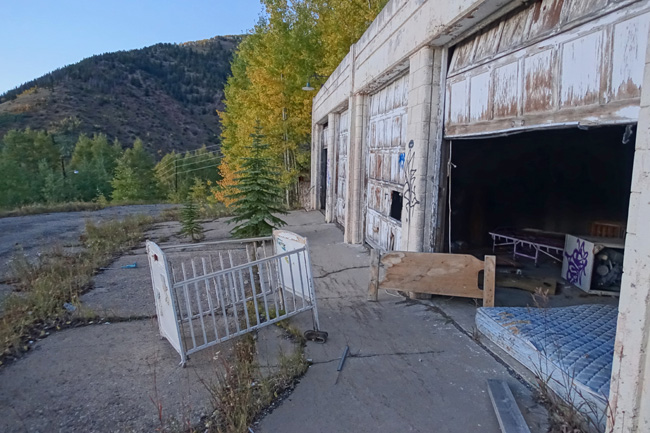
A row of garages contain trash, furniture and several old cars covered in graffiti.
Gilman Colorado Ghost Town and EPA Superfund Site

Gilman Colorado Ghost Town and EPA Superfund Site

Gilman Colorado Ghost Town and EPA Superfund Site

It was still early when the sky turned black, but the day's exertion had worn me out. I took a few pictures of the administration buildings in the waning light. After the sun disappeared, it quickly became old and windy outside, so I sought shelter.

Gilman Colorado Ghost Town and EPA Superfund Site

In one of the basements I found a roll-away bed frame that wasn’t too rusty, and decided to call it home for the night. It wasn’t super comfortable, but better than the floor would have been.

In the light of morning, I realized I had barely scratched the surface of Gilman. I still hadn't explored the abandoned laboratory, theater, workshops, ore processing facility and mining equipment. A full day of exploration awaited me. To keep this article from becoming incredibly long and unwieldy, I'll fill you in on the rest in my next article.

Thanks for checking out this article. If you enjoyed it, please feel free to share it on Facebook. While you're at it, please subscribe to Places That Were and follow me on my social media sites:

Facebook: http://www.facebook.com/placesthatwere

Google+: https://plus.google.com/u/0/+JimSullivanPlacesThatWere/posts

EyeEm: https://www.eyeem.com/u/placesthatwere

Instagram: http://instagram.com/theplacesthatwere

Twitter: https://twitter.com/placesthatwere/

Tumblr: http://placesthatwere.tumblr.com/

Youtube: https://www.youtube.com/jimplicit

500px: https://500px.com/placesthatwere

Thank you!


Gilman Colorado Ghost Town and EPA Superfund Site

Dead and Dying: Sego ghost town and Thompson Springs, Utah

Thompson Springs, Utah, once an important railroad hub, has been slowly dying over the past several decades. Abandoned homes and businesses languish along its main street, grim reminders that the beautiful little community may soon meet the same fate as its neighbor, Sego ghost town.

Abandoned buildings in Thompson Springs Utah and Sego ghost town

After spending the afternoon at the awesome abandoned Athena missile base in Green River, I devoted the remaining daylight hours to exploring the abandoned places in Thompson Springs, Utah and Sego, a ghost town just north of there.

Abandoned buildings in Thompson Springs Utah and Sego ghost town

Thompson Springs has a population of under 40 people, so it isn't a true ghost town, though it could easily be mistaken for one. Nearly all of the houses and shops along Frontage Road (formerly Old Cisco Highway) are abandoned and in an advanced state of decay.

Abandoned buildings in Thompson Springs Utah and Sego ghost town

Thompson Springs was founded in the late 1800s and named after E.W. Thompson, a sawmill operator who lived and worked near the Book Cliffs to the north. In 1883, the Denver and Rio Grande Western Railroad established a stop in Thompson Springs, which allowed farmers and ranchers in the Book Cliffs area to ship their livestock.

I fell in love with Thompson Springs from the moment I first laid eyes on it. There are an incredible number of beautiful old abandoned buildings right in the middle of town.

Abandoned buildings in Thompson Springs Utah and Sego ghost town

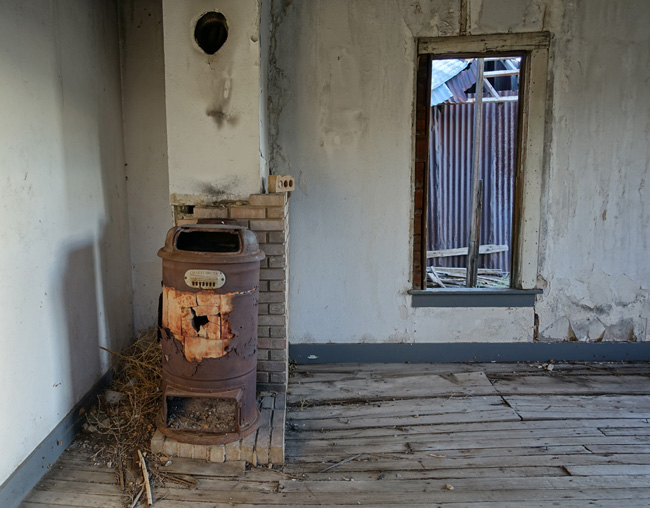
Some contain interesting artifacts, like this old heater.

Abandoned buildings in Thompson Springs Utah and Sego ghost town

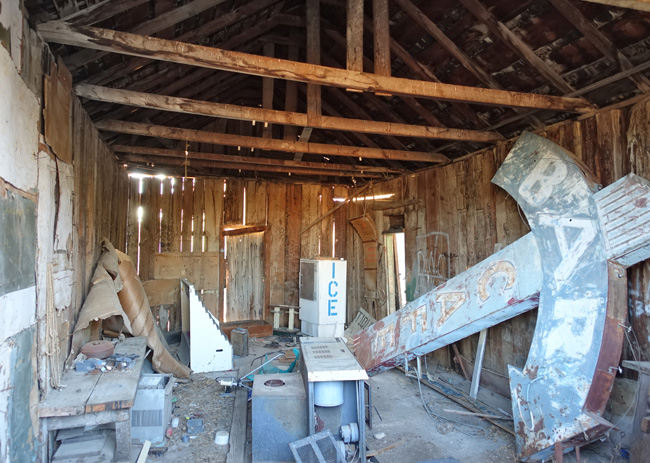
And a sign for an old bar/cafe.

Abandoned buildings in Thompson Springs Utah and Sego ghost town

Abandoned buildings in Thompson Springs Utah and Sego ghost town

Abandoned buildings in Thompson Springs Utah and Sego ghost town

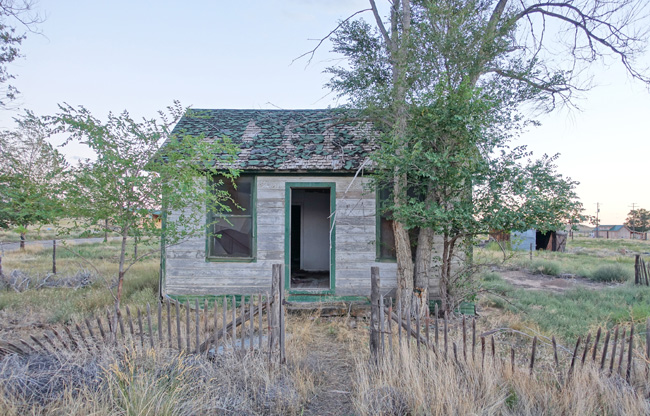
The abandoned homes didn't look too bad from the outside.

Abandoned buildings in Thompson Springs Utah and Sego ghost town

Abandoned buildings in Thompson Springs Utah and Sego ghost town

Abandoned buildings in Thompson Springs Utah and Sego ghost town

But the interiors were in awful shape.

Abandoned buildings in Thompson Springs Utah and Sego ghost town

Trash and discarded clothing littered the floors.

Abandoned buildings in Thompson Springs Utah and Sego ghost town

Many of the ceilings had collapsed, leaving enormous holes in the roofs.

Abandoned buildings in Thompson Springs Utah and Sego ghost town

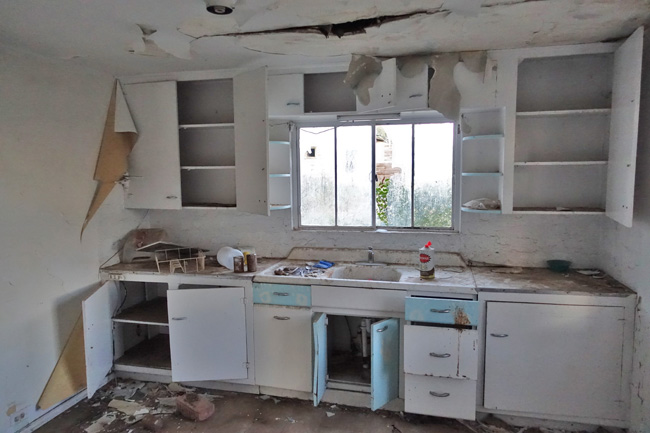
A few homes still had old refrigerators and cabinetry inside.

Abandoned buildings in Thompson Springs Utah and Sego ghost town

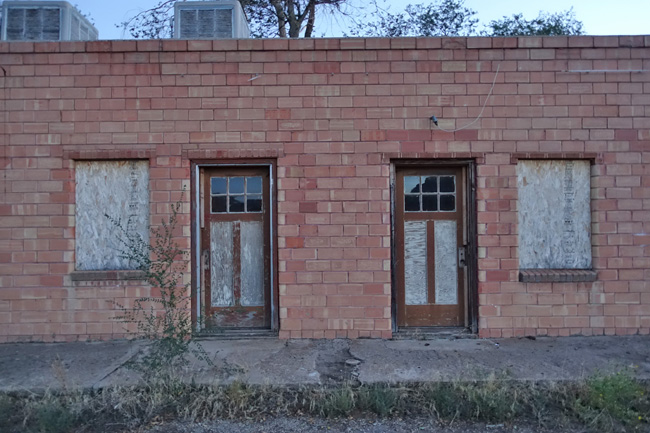
The old Thompson Motel, one of the most striking remnants of the town's heyday, looked like it had been abandoned quite some time ago. Faded plywood covered the windows of the guest rooms and the doors were secured shut. I peeked through one of the smashed panes and saw that little remained inside except dirt and trash.

Abandoned buildings in Thompson Springs Utah and Sego ghost town

Abandoned buildings in Thompson Springs Utah and Sego ghost town

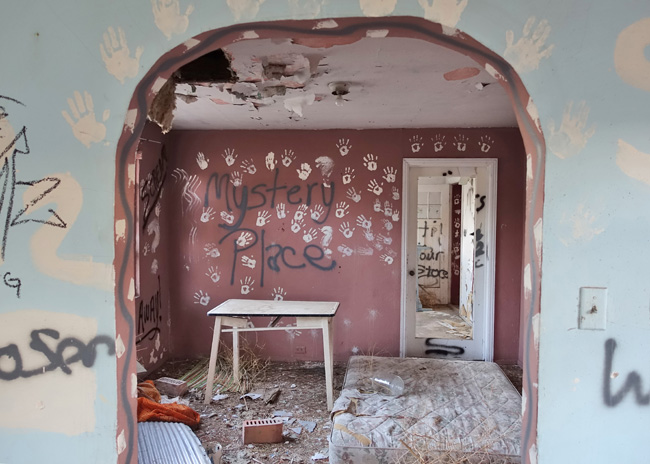
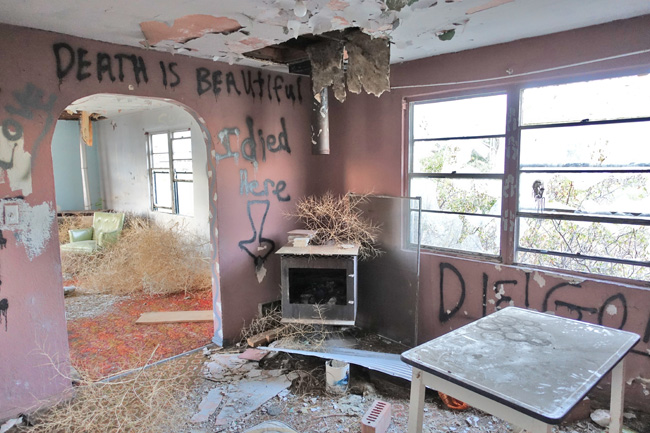
The door to the motel's main office and manager's suite stood open, so I took a quick look inside. Since its abandonment, the place has apparently served as a hangout for people who had no compunction about leaving their mark. Graffiti and hand prints covered the walls.

Abandoned buildings in Thompson Springs Utah and Sego ghost town

Tumbleweed had found its way inside through the open door.

Abandoned buildings in Thompson Springs Utah and Sego ghost town

Abandoned buildings in Thompson Springs Utah and Sego ghost town

Abandoned buildings in Thompson Springs Utah and Sego ghost town

Apparently Thompson Motel was not the only popular hangout among the abandoned buildings of Thompson Springs. Dusty furniture sat arranged in a circle in the front room of an abandoned house.

Abandoned buildings in Thompson Springs Utah and Sego ghost town

Down the street a cafe stood deserted. Surprisingly, most of the windows were still intact and the place was untouched by vandals.

Abandoned buildings in Thompson Springs Utah and Sego ghost town

Inside, the cafe was tidy and looked as though it could reopen any day, except for the massive hole in the ceiling.

Abandoned buildings in Thompson Springs Utah and Sego ghost town

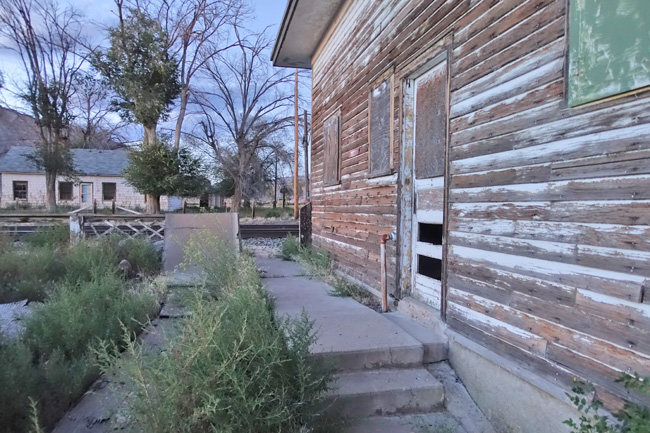
The old Thompson Springs train station has seen considerable decay and vandalism since it ceased operating in 1994. Trains still run through town, but no longer stop there. Amtrak's decision to move its passenger platform to Green River, Utah about 25 miles to the west is partially responsible for the decline of Thompson Springs, but several other factors have contributed to the downward trend in visitors.

Abandoned buildings in Thompson Springs Utah and Sego ghost town

Abandoned buildings in Thompson Springs Utah and Sego ghost town

Abandoned buildings in Thompson Springs Utah and Sego ghost town

Like so many small towns in the Western United States, Thompson Springs suffered greatly from the construction of the Interstate freeway system. When I-70 opened two miles south of town, it diverted a tremendous amount of traffic away from local businesses. Old Cisco Highway, previously the main thoroughfare, became Frontage Road, and the businesses along it quickly died off.

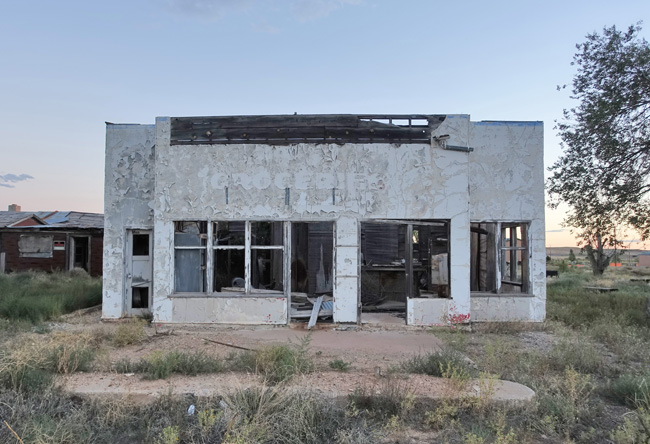
The shell of an old grocery store still stands, though its roof is long gone.

Abandoned buildings in Thompson Springs Utah and Sego ghost town

Abandoned buildings in Thompson Springs Utah and Sego ghost town

The old lunch counter is weathered and warped from exposure to the elements.

Abandoned buildings in Thompson Springs Utah and Sego ghost town

An old stove and sink sit rusting in the tiny kitchen in the back.

Abandoned buildings in Thompson Springs Utah and Sego ghost town

I would've loved to see this place before its downfall.

Abandoned buildings in Thompson Springs Utah and Sego ghost town

I found Thompson Springs so enchanting that I completely lost track of time, and before long, daylight had fled from the sky.

I still had a long drive ahead of me that night, but I refused to accept that I'd missed the opportunity to see what remained of Sego ghost town. The night was dark as pitch and a coyote howled in the distance as I navigated the rough road into Sego Canyon.

The ruins of Sego are scattered throughout the canyon, but many of the more notable structures, such as the company store and boarding house, have collapsed in recent years. I managed to find a house that was still partially standing. With my high-powered flashlight I was able to snap a few pictures despite the oppressive pall of night.

Abandoned buildings in Thompson Springs Utah and Sego ghost town

Sego, Utah began as a modest mining settlement among the Book Cliffs of Sego Canyon. Founded by Henry Ballard in 1908 after he discovered a vein of anthracite coal, the settlement was originally named Ballard. Several years later the name changed to Nelsen, and eventually to Sego in 1918.

In 1911, Ballard sold the mine to B.F. Bauer, a businessman from Salt Lake City, who created the American Fuel Company. Bauer ramped up mining operations, built the Ballard & Thompson Rail line, and installed the first coal washer west of the Mississippi. The town grew with the addition of a company store, a boarding house, and many homes.

Water shortages plagued the young mining town, as did flash floods that frequently crippled the railroad and damaged its bridges and trestles.

Abandoned buildings in Thompson Springs Utah and Sego ghost town

Employees of the American Fuel Company faced many of the same abuses as other miners of the pre-labor movement era (see my article on the United Mine Workers strike, which culminated in the infamous Ludlow Massacre), including severe wage cuts, price gouging at the company store, and having to wait up to five months for their paychecks. Conditions improved after they joined the United Mine Workers in 1933.

When the American Fuel Company closed in 1947 due to falling profits, its workers pooled their resources and formed the Utah Grand Coal Company. The endeavor was profitable in its first year, but soon suffered a series of crippling setbacks. Fires in 1949 and 1950 destroyed much of their equipment. When the railroad industry switched from coal-powered locomotives to diesel engines, the demand for coal fell dramatically, leading to the company's closure in 1955.

Abandoned buildings in Thompson Springs Utah and Sego ghost town

After snapping a few shots of the old house, I decided to leave Sego. I'd noticed several root cellars hidden among the brush, and realized that it would be easy to accidentally fall through one of their unstable roofs. With no one else around for miles, it was not a risk worth taking.

I returned to the main road and made my way eastward into Colorado, where I visited the incredible mining ghost town and EPA cleanup site of Gilman. It was one of the largest, most interesting ghost towns I've explored.

Thanks for checking out this article. If you enjoyed it, please feel free to share it on Facebook. While you're at it, please subscribe to Places That Were and follow me on my social media sites:

Facebook: http://www.facebook.com/placesthatwere

Google+: https://plus.google.com/u/0/+JimSullivanPlacesThatWere/posts

EyeEm: https://www.eyeem.com/u/placesthatwere

Instagram: http://instagram.com/theplacesthatwere

Twitter: https://twitter.com/placesthatwere/

Tumblr: http://placesthatwere.tumblr.com/

Youtube: https://www.youtube.com/jimplicit

500px: https://500px.com/placesthatwere

Thank you!

Abandoned buildings in Thompson Springs Utah and Sego ghost town