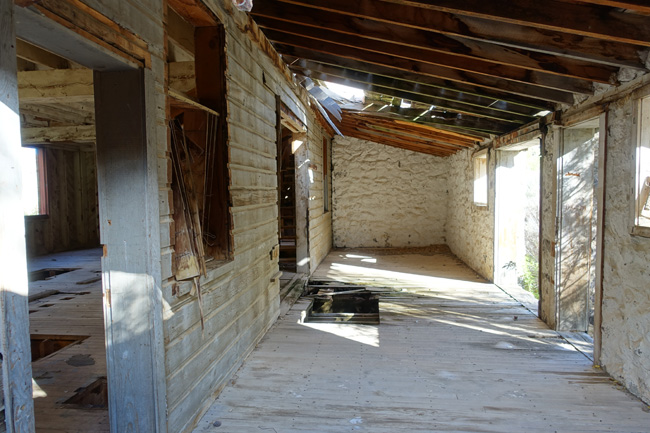
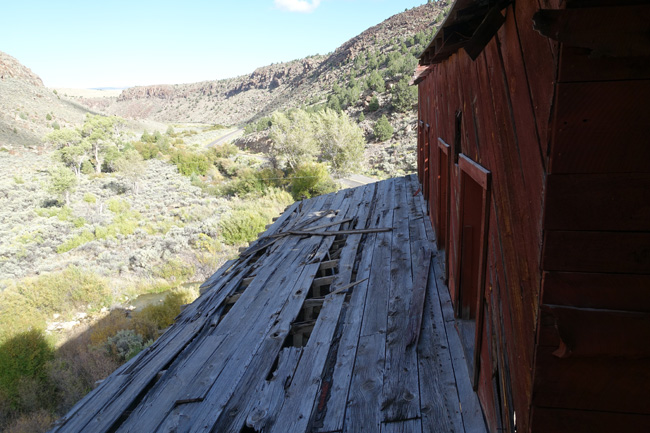
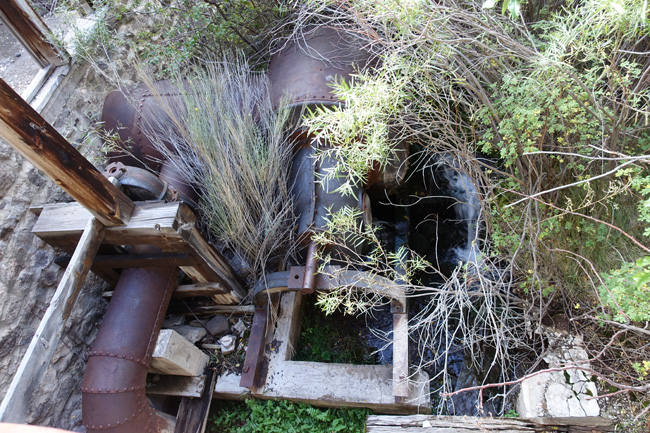
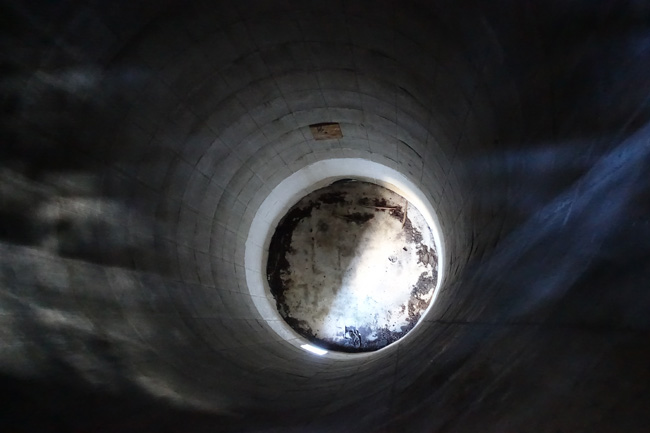
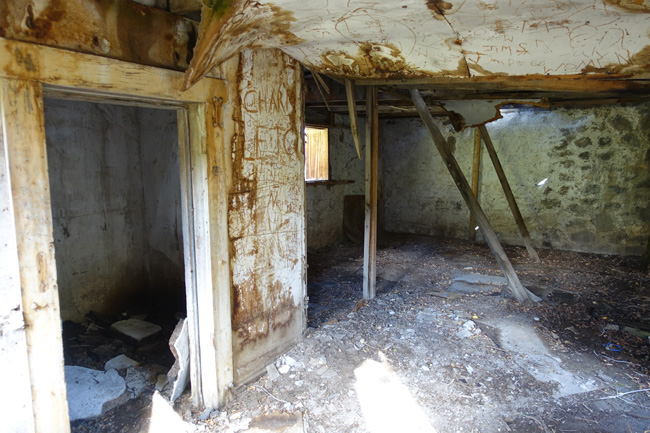
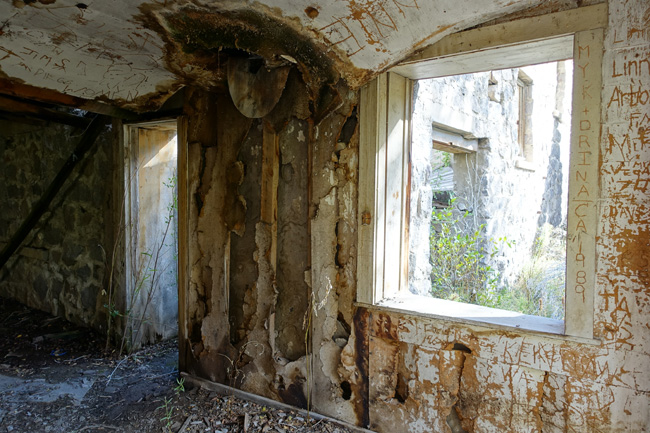
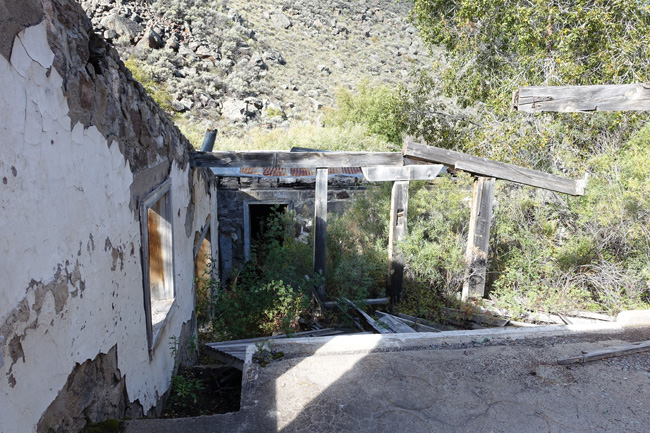
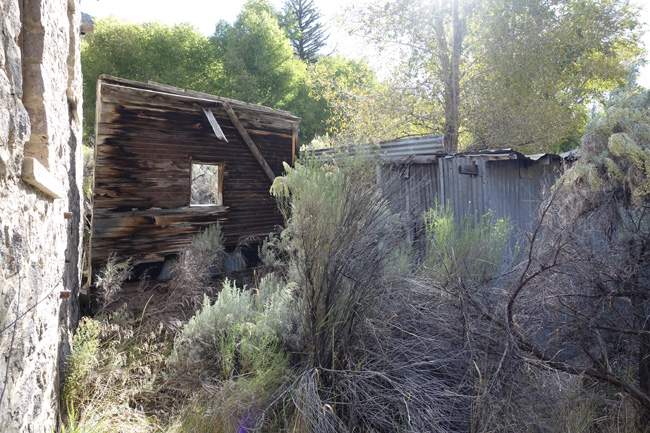
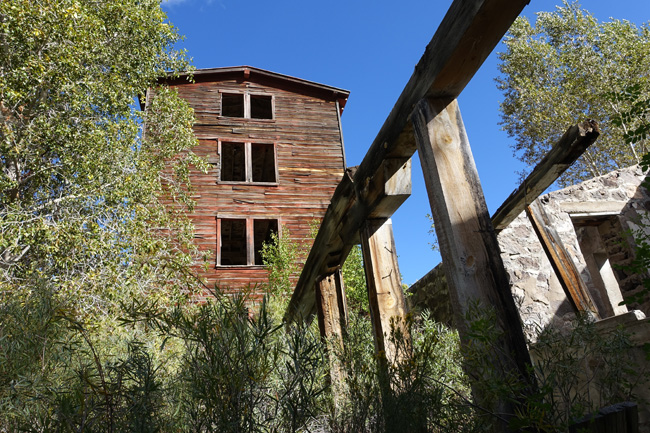
Showing posts with label Utah ghost towns. Show all posts

Abandoned Buildings and Dark History of Circleville, Utah

Circleville, Utah is a charming little town in Piute County with a checkered past. Abandoned buildings along Main Street serve as weathered reminders of its beginnings as a frontier settlement, the site of the infamous Circleville Massacre and hometown of the notorious outlaw Butch Cassidy. 
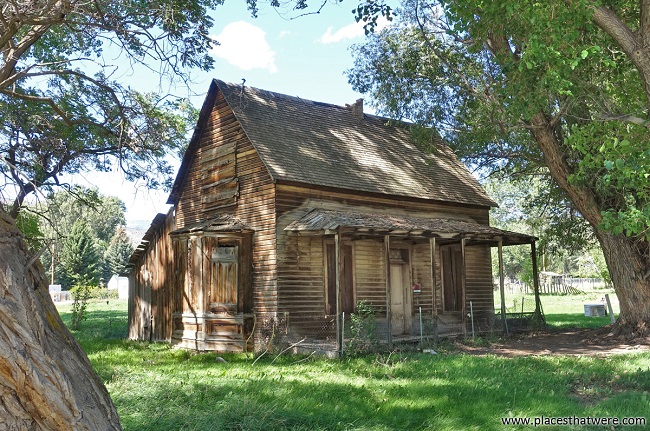
Abandoned Buildings in Circleville and Junction UT

Southern Utah is abundant with beautiful abandoned buildings from the frontier era. As I made my way eastward, I couldn't resist stopping to check them out. After snapping a few pictures of old mining structures in Antimony and Junction, Utah, I made a quick detour in Circleville to grab lunch and take in the town's beauty. 

I ate at Circleville Cafe, a great little spot with a comfortable atmosphere and delicious food at a very reasonable price. I had a nice conversation with the gals that worked there, and then proceeded to make an ass of myself by spilling my soda. Classic Jim.

If you're ever in the area, you should definitely stop at Circleville Cafe. And be sure to order a slice of pie; it's excellent.

Abandoned Buildings in Circleville UT

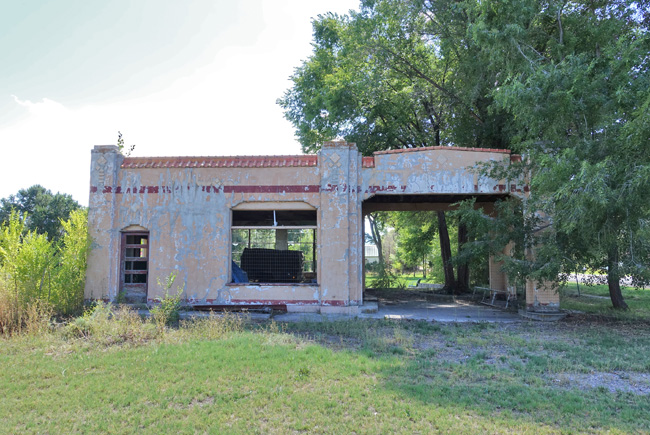
After lunch, I strolled down Main Street, past several vacant businesses.

Abandoned Buildings in Circleville UT

Abandoned Buildings in Circleville UT

Abandoned Buildings in Circleville UT

Abandoned Buildings in Circleville UT

The old Circle Valley Cafe and Motel building was apparently being used as a storage space, or maybe the owner was preparing for renovations.

Abandoned Buildings in Circleville UT

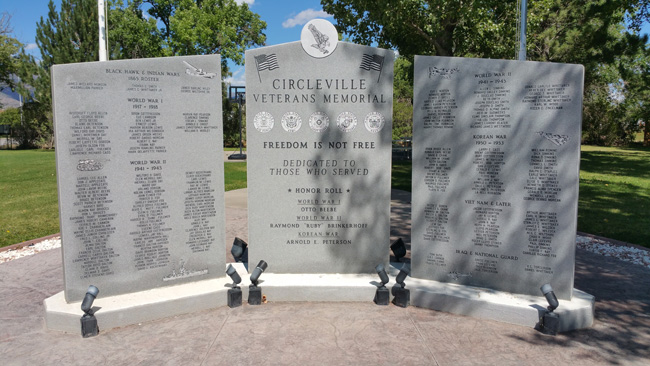
I paid my respects at the Veterans Memorial.
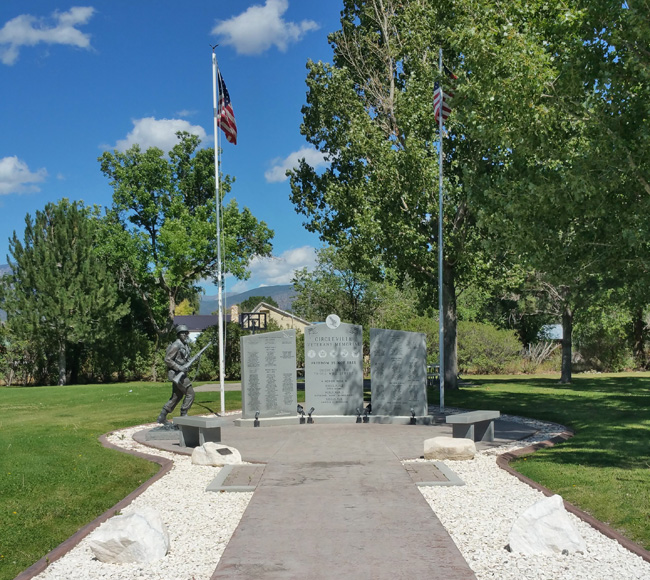
Abandoned Buildings in Circleville UT

Abandoned Buildings in Circleville UT

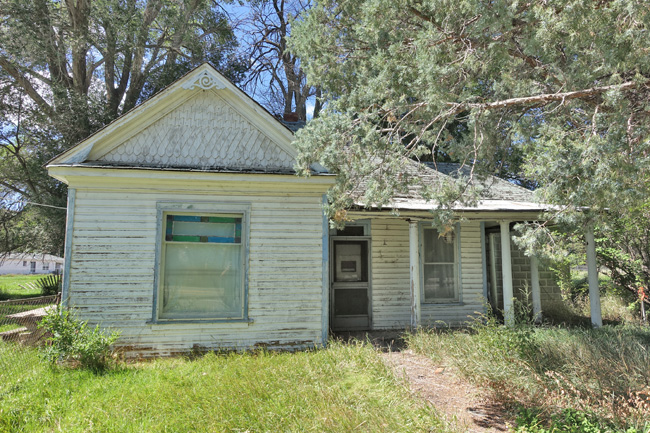
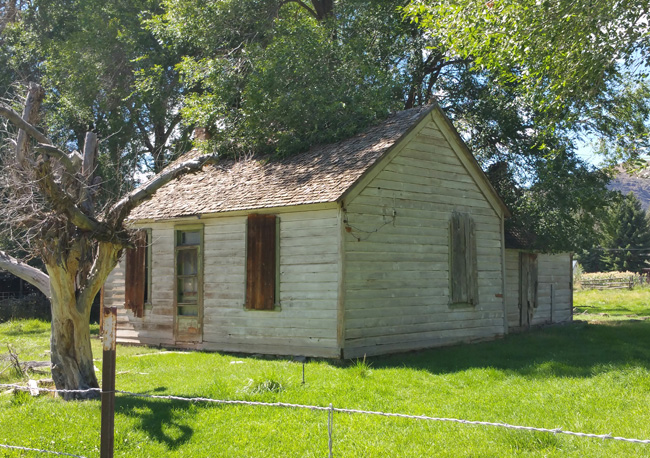
Though it could be mistaken for a ghost town due to the neat abandoned buildings along its main thoroughfare, Circleville is very much alive, with a population that has hovered around 500 for much of its existence. 

Abandoned Buildings in Circleville and Junction UT

Abandoned Buildings in Circleville and Junction UT

Abandoned Buildings in Circleville and Junction UT

The town was founded in 1864 by Mormon settlers, who named it for the circular shape of the valley in which it sits. 

Abandoned Buildings in Circleville UT

The increasing number of settlements in the area led to heightened tensions between settlers and natives, culminating in the The Black Hawk War, which lasted from 1865 to 1872. Atrocities were committed by both sides, and the Circleville Massacre was among the worst. 

Circleville had existed for less than a year when members of the Ute tribe raided the town, seizing cattle and killing several men who attempted to resist. Several months later, after hearing reports of a violent confrontation at a nearby fort, the residents of Circleville grew ever more worried about their safety. They became so suspicious of natives that they decided to arrest and imprison a local camp of friendly Paiute people with whom they had previously traded, even though the Paiutes were enemies of the Utes that had previously raided the town.

Abandoned Buildings in Circleville and Junction UT

One young tribesman resisted and was killed. The rest were led to town at gun point and tied up in the meeting house. Two men attempted to escape their bindings and were killed by the guards. The surviving members of the tribe, including women and children, were then locked up in a cellar. The townspeople held a meeting and decided that, in order to protect themselves, they would execute the prisoners. One by one, they released the imprisoned members of the Paiute tribe and slit their throats.

A terrified mother ordered her daughter and two sons to run for their lives. They managed to escape the cellar and find shelter in a cave, where they were discovered the next day. The daughter and one of the boys were killed. The other boy was taken to a nearby town and sold in exchange for a horse. He is the only survivor of the massacre, in which an estimated 26 people were killed. 

Abandoned Buildings in Circleville UT

Circleville was abandoned in 1866 due to the ongoing dangers of Black Hawk War, but was reestablished in 1874 by Charles Wakeman Dalton, a Mormon settler, and his two wives.

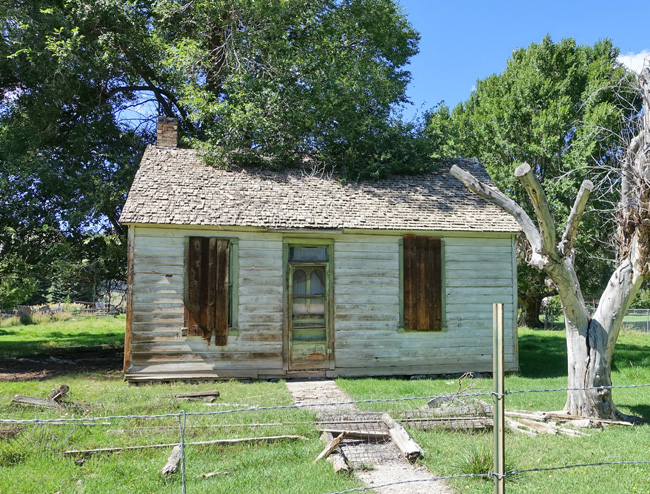
Abandoned Buildings in Circleville and Junction UT

Abandoned Buildings in Circleville and Junction UT

You've probably heard of Circleville's most famous resident, Robert Leroy Parker, who is better known by his alias, Butch Cassidy. The notorious bank robber, train robber, and leader of the Wild Bunch outlaw gang, grew up a mile outside of Circleville in the 1870s and 80s. His childhood home is apparently still standing, though I didn't see it while I was there.

I bid goodbye to Circleville and headed into Junction, a few miles to the north, where I caught sight of some beautiful abandoned homes. On the way out of town, I drove past a neat old abandoned church. I would've loved to take a closer look, but several dogs approached from the neighboring lot, warning me to keep my distance.

I followed the highway until I came to an incredible sight: a railway graveyard at the base of Big Rock Candy Mountain. Come back next week for the details!
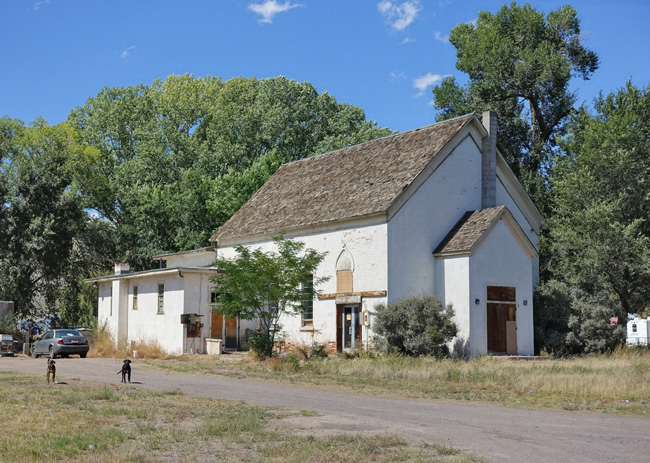
Abandoned Church in Junction UT

Abandoned Church in Junction UT

Thanks for checking out this article. If you enjoyed it, please feel free to share it on Facebook. While you're at it, please subscribe to Places That Were and follow me on my social media sites:

Facebook: http://www.facebook.com/placesthatwere

Google+: https://plus.google.com/u/0/+JimSullivanPlacesThatWere/posts

EyeEm: https://www.eyeem.com/u/placesthatwere

Instagram: http://instagram.com/theplacesthatwere

Twitter: https://twitter.com/placesthatwere/

Tumblr: http://placesthatwere.tumblr.com/

Youtube: https://www.youtube.com/jimplicit

Flickr: https://www.flickr.com/photos/placesthatwere/

Thank you!

Abandoned Buildings in Circleville UT

Abandoned Places in Antimony and Junction, Utah Ghost Towns

Unique abandoned buildings in Antimony and Junction, Utah serve as reminders of the frontiersmen and miners who ventured westward in the late 1800s in search of opportunity.

Abandoned places in Antimony and Junction Utah ghost towns

After exploring the awesome abandoned Osiris Creamery and Granary, I set my sights on an abandoned military base several hours east. I had another long drive ahead of me, but I didn't mind. It was a beautiful day and I couldn't get enough of the gorgeous scenery. Being behind the wheel on a long stretch of country road with not another soul for miles is an incredibly liberating feeling.

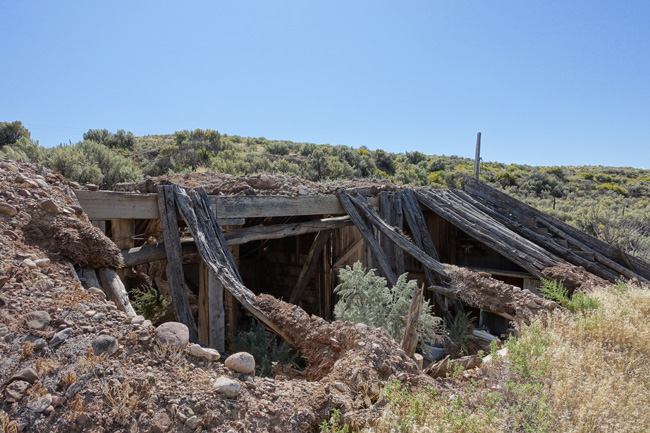
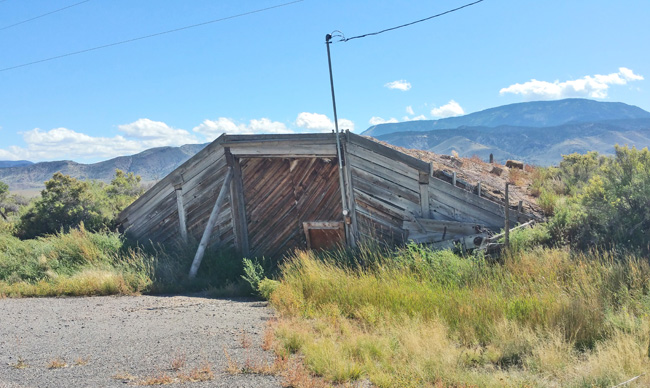
As I drove through the town of Antimony I spotted an interesting structure that looked like it had been built into the hillside. I pulled off the road for what would be the first of many unplanned stops.

Abandoned places in Antimony and Junction UT ghost towns

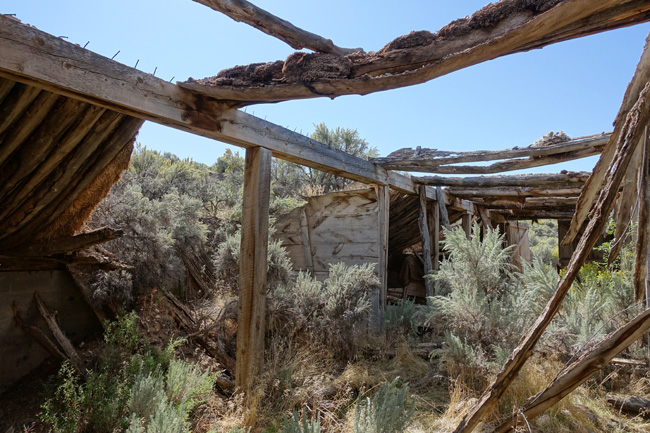
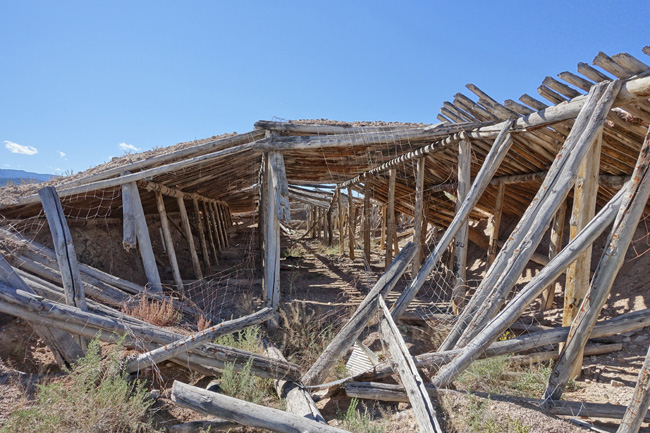
The structure was quite different from most I'd seen before. It had sloping walls and a flat ceiling. I'm not sure why it was built that way, but there must be a good reason. I came across a handful of others with the same architecture.

I figure the shape might have something to do with wind resistance. The area experiences high winds, which caused a lot of trouble for early settlers. Structures that blended into hillsides might have proven an effective solution.

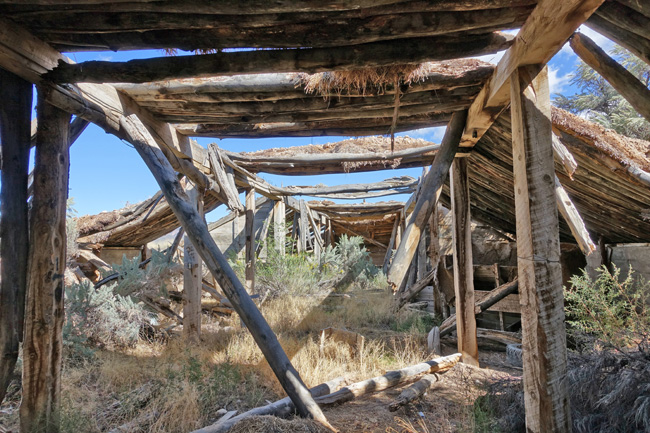
The building was in pretty bad shape. Much of the ceiling had caved in.

Abandoned places in Antimony and Junction Utah ghost towns

Abandoned places in Antimony and Junction UT ghost towns

Abandoned places in Antimony and Junction Utah ghost towns

Abandoned places in Antimony and Junction UT ghost towns

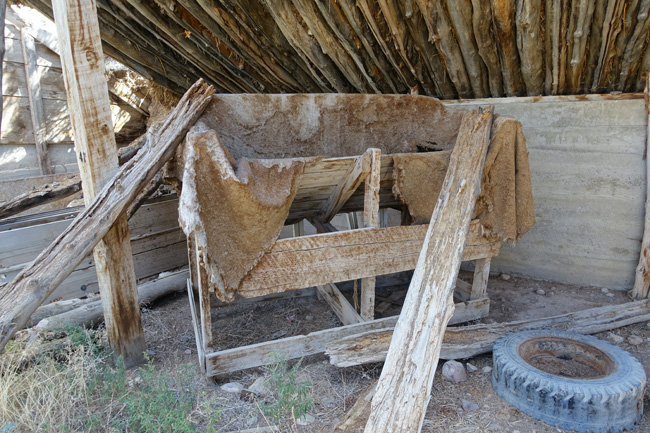
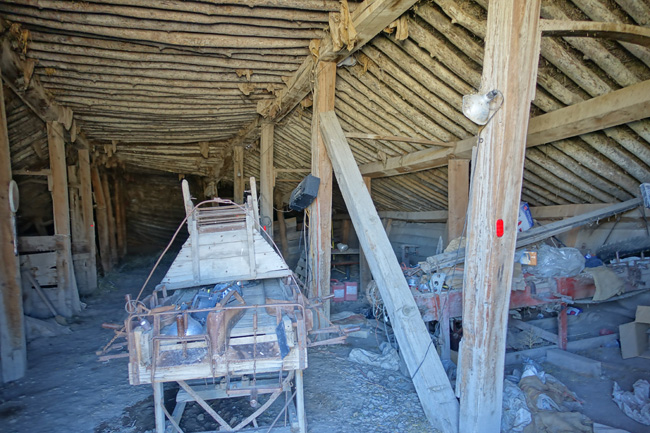
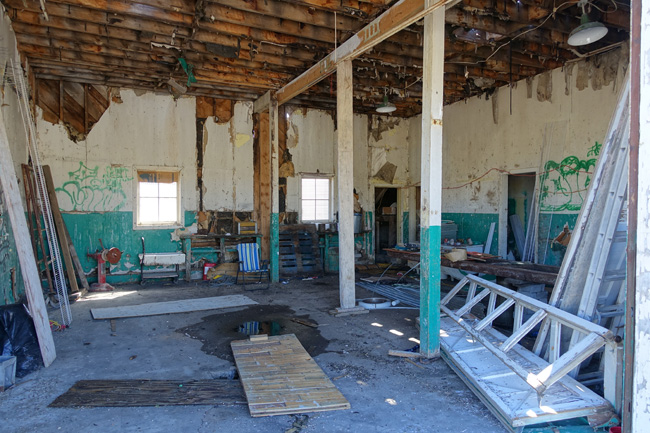
Quite a few artifacts remained inside, but I could only guess at what they were. If you have any info, please leave a comment at the end of the article.

Antimony and other towns in the region have experienced mining booms since the 1860s, and I suspect this building was used as part of a mining operation. 

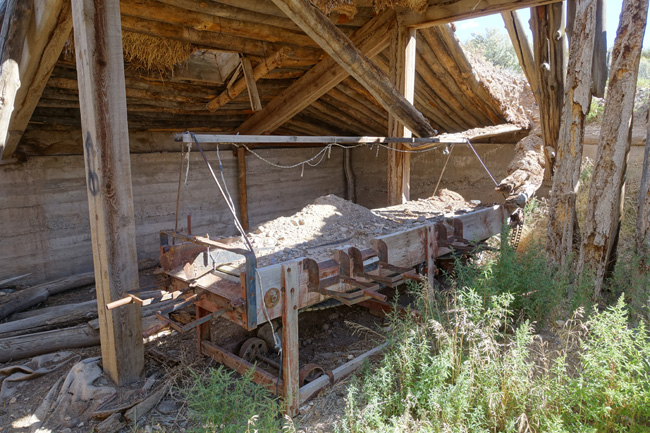
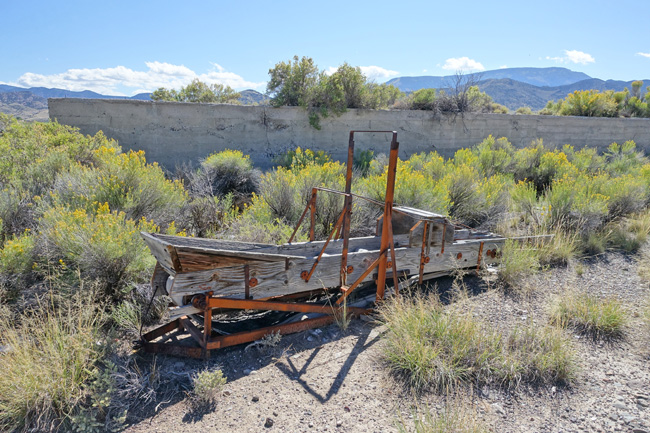
The equipment pictured below looks like it might have been used for separating ore. 

[Edit: Thanks for everyone who commented here and on my Facebook page. The consensus seems to be that these buildings and equipment were used for sorting, packaging, and storing potatoes, which were a major crop in the area. The roofs were covered in earth to insulate the buildings and better preserve the potato crops.]

Abandoned places in Antimony and Junction Utah ghost towns

Abandoned places in Antimony and Junction UT ghost towns

There were several old washing machines.

Abandoned places in Antimony and Junction Utah ghost towns

Abandoned places in Antimony and Junction UT ghost towns

And some other equipment that might have been used for storing or separating mined ore [edit: or potatoes].

Abandoned places in Antimony and Junction Utah ghost towns

Abandoned places in Antimony and Junction UT ghost towns

A few miles down the road I came to another building of the same style. 

Abandoned places in Antimony and Junction Utah ghost towns

Some of the equipment inside was similar to what I'd seen inside the first building. 

Abandoned places in Antimony and Junction UT ghost towns

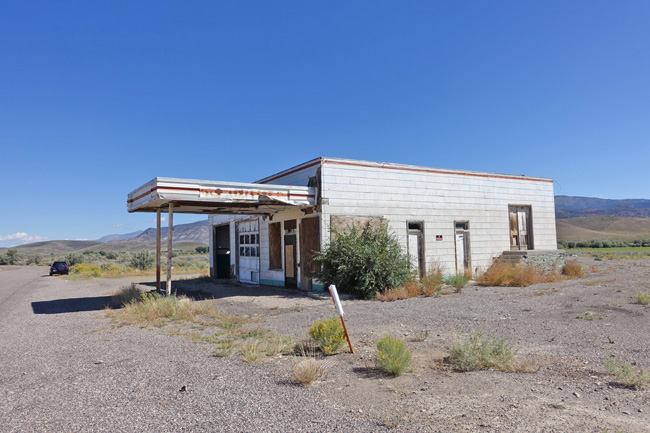
In Junction, Utah I stopped to take a look at an abandoned gas station.

Abandoned places in Antimony and Junction Utah ghost towns

I was surprised to find that one of the garage doors was open.

Abandoned places in Antimony and Junction UT ghost towns

Abandoned places in Antimony and Junction Utah ghost towns

Several vehicles were parked in the corner of the lot. I was tempted to get a closer look until an unseen dog started viciously barking. I figured the property's caretaker might be living in the little trailer, so I didn't stick around.

Abandoned places in Antimony and Junction UT ghost towns

Across the street was another of the sloping buildings, but in much worse condition than the others I'd seen.

Abandoned places in Antimony and Junction Utah ghost towns

Abandoned places in Antimony and Junction UT ghost towns

Abandoned places in Antimony and Junction Utah ghost towns

Most of it the equipment had been cleared out. One piece still sat outside.

Abandoned places in Antimony and Junction UT ghost towns

Piute and Garfield County are home to many ghost towns and very old abandoned buildings. I could easily have spent the rest of the day exploring the area, but I was eager to continue my journey to the Rust Belt.

Before I left the area, I made one more stop in the town of Circleville, which I'll tell you about next week.

If you enjoyed this article, please feel free to share it on Facebook. While you're at it, please subscribe to Places That Were and follow me on my social media sites:

Facebook: http://www.facebook.com/placesthatwere

Google+: https://plus.google.com/u/0/+JimSullivanPlacesThatWere/posts

EyeEm: https://www.eyeem.com/u/placesthatwere

flickr: https://www.flickr.com/photos/placesthatwere/

Twitter: https://twitter.com/placesthatwere/

Youtube: https://www.youtube.com/jimplicit

Instagram: http://instagram.com/theplacesthatwere

Tumblr: http://placesthatwere.tumblr.com/

Thank you!


Abandoned places in Antimony and Junction Utah ghost towns

Awesome Abandoned Osiris Creamery and Granary in Utah Ghost Town

Deep in the Black Canyon of rural Utah lies the abandoned Osiris Creamery and Granary, a towering remnant of the ghost town of Osiris.

Osiris Creamery and Granary Abandoned in Utah Ghost Town

I woke at sunup on day 2 of my Epic Rust Belt Road Trip. Having spent the previous day visiting an abandoned hospitalairport, and pet cemetery, I could hardly wait to get back on the road for another day of exploration.

I wended my way through the rolling hills of central Utah, awestruck by the scenery. I'd fallen in love with Utah's beautiful rock formations on my previous road trip, and now I was enjoying a whole new side of the state that I hadn't seen before.

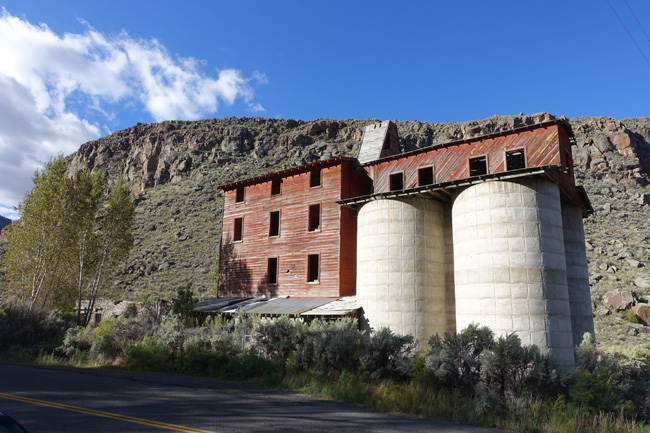
About 8 miles south of Antimony, along a winding country road, I came to the magnificent towering structure of Osiris Creamery and Granary.

[Note: Osiris Creamery is on private property and must not be accessed without permission from the owner]

Osiris Creamery and Granary Abandoned in Utah Ghost Town


The granary portion of the building was relatively clean and free of debris. Its thick wooden beams had held up well in the century since it had been built. The stairs and flooring were mostly in solid shape, so I felt safe exploring every level.

Osiris Creamery and Granary Abandoned in Utah Ghost Town


I did have to watch my step though, because there were a few sizable holes in the floor.

Osiris Creamery and Granary Abandoned in Utah Ghost Town


Osiris Creamery and Granary Abandoned in Utah Ghost Town


No equipment remained inside, but there were quite a few chutes and other inner workings that gave an idea of how the place might have functioned back in its day.

Osiris Creamery and Granary Abandoned in Utah Ghost Town

Osiris Creamery and Granary Abandoned in Utah Ghost Town

Osiris Creamery and Granary Abandoned in Utah Ghost Town

The top story is a narrow room with windows all around. 

Osiris Creamery and Granary Abandoned in Utah Ghost Town

The view of the surrounding countryside was spectacular.

Osiris Creamery and Granary Abandoned in Utah Ghost Town

I also had a good view of the rusty equipment that remained in the ruins of the adjoining creamery. 

Osiris Creamery and Granary Abandoned in Utah Ghost Town

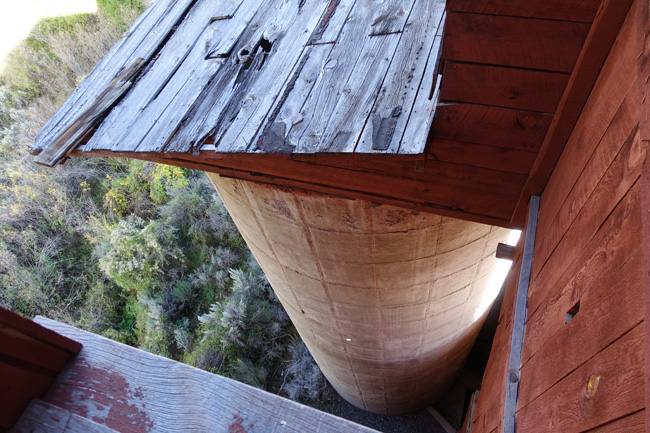
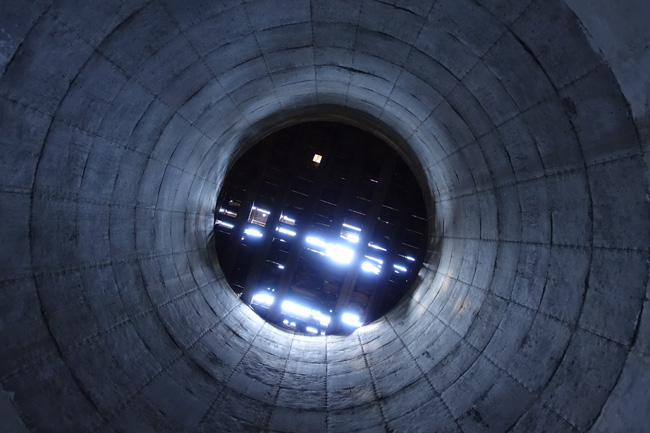
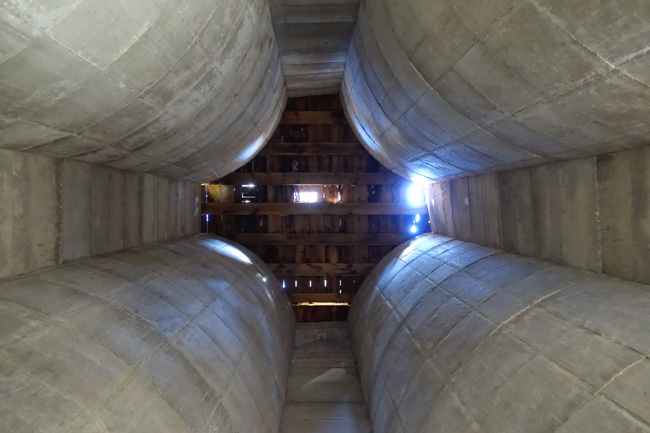
I peered down through holes in the floor to the vast emptiness of the silos below.

Osiris Creamery and Granary Abandoned in Utah Ghost Town

Osiris Creamery and Granary Abandoned in Utah Ghost Town

Then I carefully edged out onto the roof.  

Osiris Creamery and Granary Abandoned in Utah Ghost Town

At the apex was a collapsing wooden tower that I dared not enter.

Osiris Creamery and Granary Abandoned in Utah Ghost Town

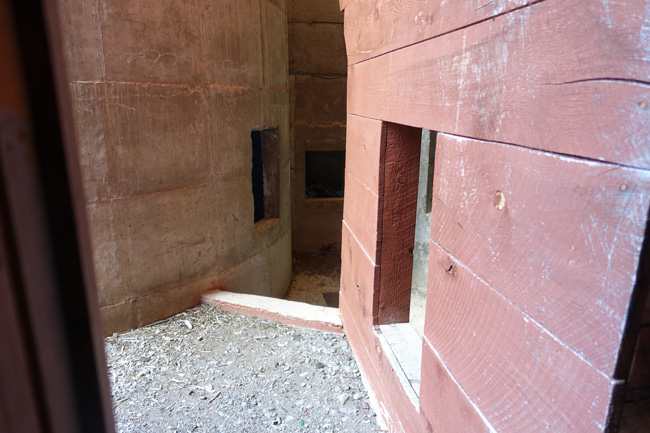
I descended to the basement and got a look at the silos from ground level. 

Osiris Creamery and Granary Abandoned in Utah Ghost Town

Osiris Creamery and Granary Abandoned in Utah Ghost Town

Osiris Creamery and Granary Abandoned in Utah Ghost Town

Behind the property a sprawling field of dense brush is kept at bay by a cyclone fence, leaving a narrow yard that seemed like a perfect spot for a picnic.  

Osiris Creamery and Granary Abandoned in Utah Ghost Town

Stringy plant life flows through a basement window frame. 

Osiris Creamery and Granary Abandoned in Utah Ghost Town

I gazed up at the empty windows above. 

Osiris Creamery and Granary Abandoned in Utah Ghost Town

In the back corner of the property sits a decrepit little shack with an old stove rusting behind it. 

Osiris Creamery and Granary Abandoned in Utah Ghost Town

The inner walls of the little shack are very weathered and covered in markings left by years of visitors. On the ceiling in the picture below, you can see that someone has carved "Jim S." I promise I'm not the culprit; I adhere to a strict "leave no trace" policy.

Osiris Creamery and Granary Abandoned in Utah Ghost Town

Osiris Creamery and Granary Abandoned in Utah Ghost Town

Osiris Creamery and Granary Abandoned in Utah Ghost Town

Next to the granary building sits the neat little stone ruin of the original creamery.

Osiris Creamery and Granary Abandoned in Utah Ghost Town

The ceiling is completely gone. A layer of flaking white paint remains on a few of the stone and mortar walls.

Osiris Creamery and Granary Abandoned in Utah Ghost Town


A few sun-bleached wooden beams stand amid the thick weeds that blanket the floor.

Osiris Creamery and Granary Abandoned in Utah Ghost Town


Osiris Creamery and Granary Abandoned in Utah Ghost Town


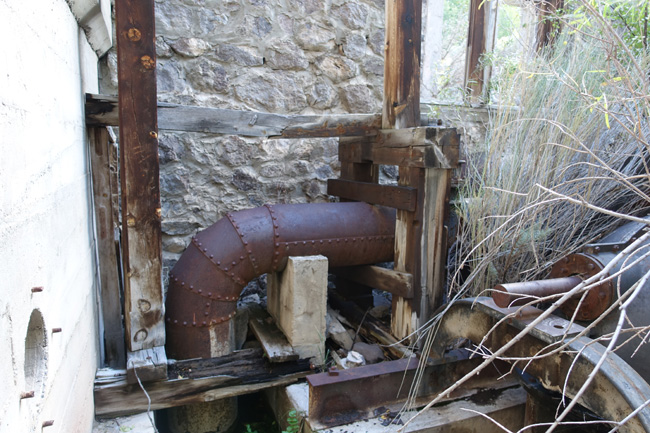
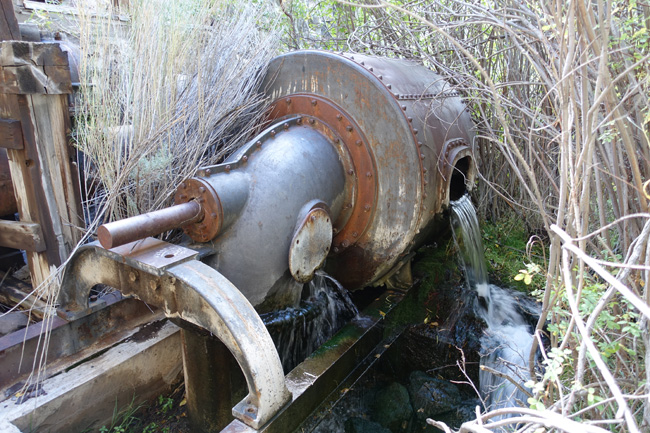
The creamery still contains one notable piece of equipment.

Osiris Creamery and Granary Abandoned in Utah Ghost Town


A constant stream of water flows from a large metal tank. The sound is incredibly peaceful.

Osiris Creamery and Granary Abandoned in Utah Ghost Town


The water passes beneath the stone wall, 

Osiris Creamery and Granary Abandoned in Utah Ghost Town

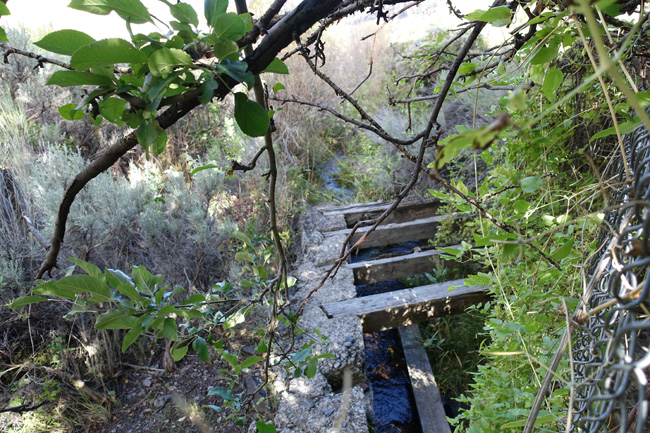
and is guided though a man-made channel

Osiris Creamery and Granary Abandoned in Utah Ghost Town

to form a stream behind the property.

Osiris Creamery and Granary Abandoned in Utah Ghost Town

Osiris was settled in 1910, along the east fork of the Sevier River near what is now Bryce Canyon National Park. The town was originally called Henderson after William James Henderson, a shepherd from Panguitch, who donated the land.

Later, W. E. Holt arrived from the nearby town of Widtsoe. He and his family built a house and a creamery. The grain mill and massive silos were added later. For unknown reasons, Holt renamed the town Osiris, after the Egyptian god of the afterlife.

The ruins of the Holt family home still remain across the street from the creamery.

Osiris Creamery and Granary Abandoned in Utah Ghost Town


The brambles were thick and impassible and I hadn't brought a machete, so I was unable to get a closer look.

Osiris Creamery and Granary Abandoned in Utah Ghost Town


Harsh weather and and insufficient water made farming prohibitively difficult. After a decade of struggle, the Holt family abandoned the settlement in the 1920s.

Osiris Creamery and Granary Abandoned in Utah Ghost Town


The Osiris Creamery and Granary was an awesome way to start the morning, but the day had plenty more incredible places in store for me. Come back next week for pictures and stories from the ghost towns of Antimony and Junction, Utah

If you enjoyed this article, please feel free to share it on Facebook. While you're at it, please subscribe to Places That Were and follow me on my social media sites:

Facebook: http://www.facebook.com/placesthatwere

Google+: https://plus.google.com/u/0/+JimSullivanPlacesThatWere/posts

EyeEm: https://www.eyeem.com/u/placesthatwere

flickr: https://www.flickr.com/photos/placesthatwere/

Twitter: https://twitter.com/placesthatwere/

Youtube: https://www.youtube.com/jimplicit

Instagram: http://instagram.com/theplacesthatwere

Tumblr: http://placesthatwere.tumblr.com/

Thank you!
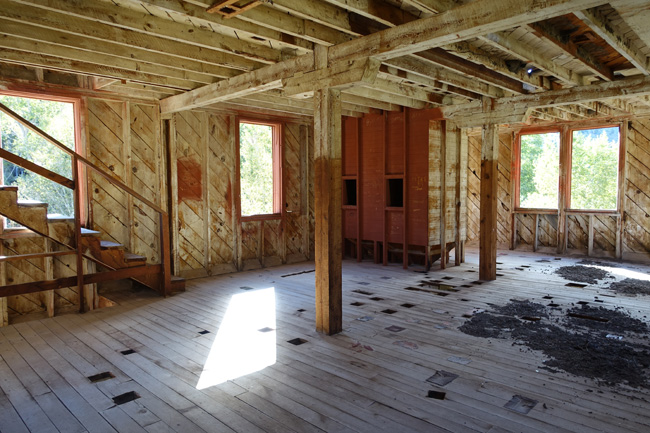
Osiris Creamery and Granary Abandoned in Utah Ghost Town